
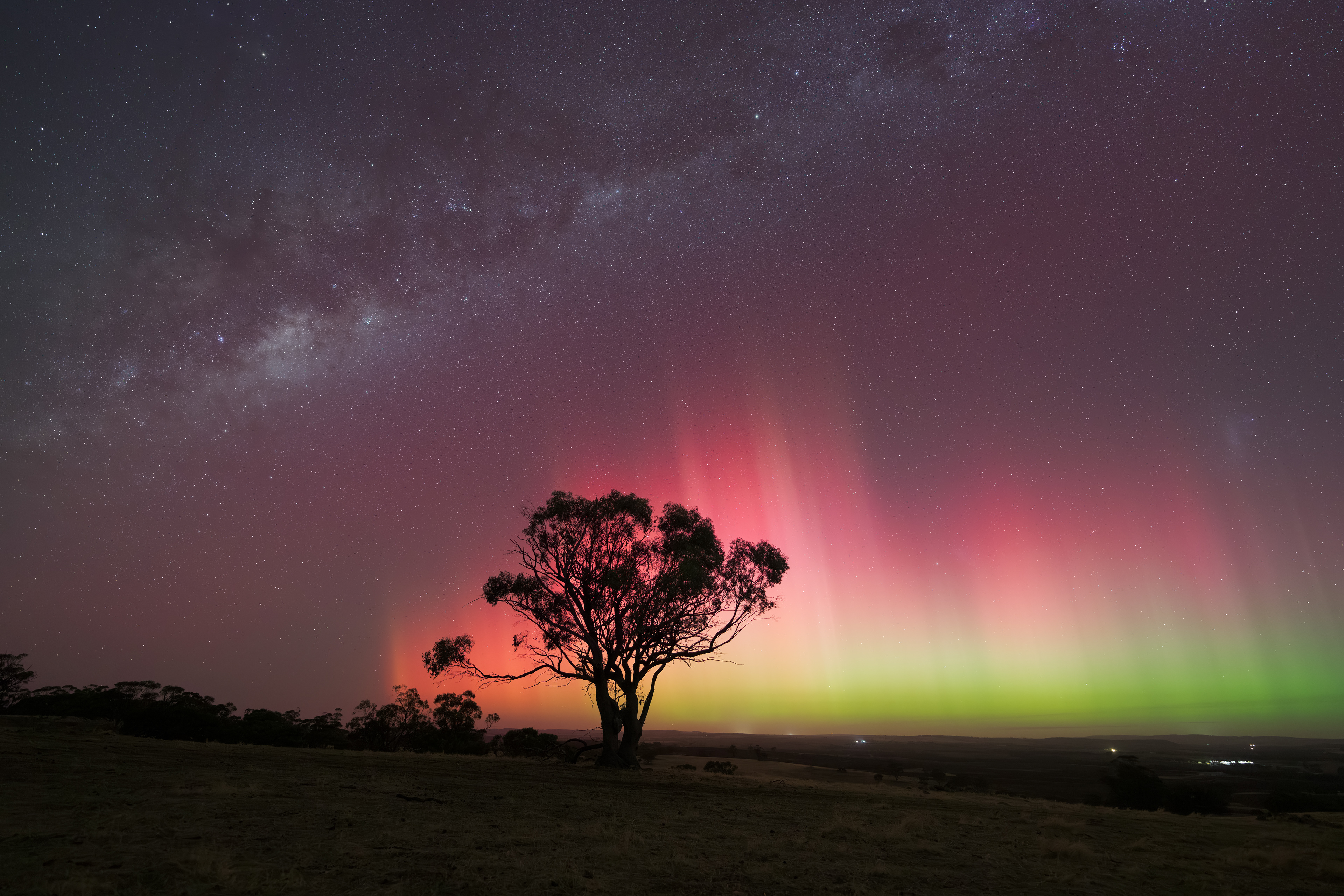
Aurora Australis seen from the Western Australian Wheatbelt in May 2024.
It is worth noting that the sun has an 11-year cycle of activity. Currently, in 2026, we are on the decline phase of a solar maximum, which means the strong and frequent aurora events that we have witnessed over the past few years will slowly become less frequent.
I understand that comprehending how the aurora works can be confusing for beginners - this guide aims not to over-complicate things - and to share only the necessary information for you to see your first display of the southern lights.
Yes! It is absolutely possible to see the aurora Australis with the naked eye. However, because we are at a middle latitude, the event has to be particularly strong to be visible, especially with any sort of colour. You will require a camera to really capture the colours well.
This question commonly arises after people discover there was a display the night before. Just because there was aurora last night, it doesn't mean there will be tonight! But it also doesn't rule out any possibility, it will just depend on the current space weather conditions. No one knows exactly when the next show will be, but by the end of this guide you should have a good enough idea of this on your own without needing to ask the question!
The events that cause aurora to occur are irregular and there is no specific time of night that gives a better chance than others. In fact, there have been many occasions in the past 12 months that I can recall, where the aurora would have been very strong during daytime hours when it isn't visible, but unfortunately the right conditions did not hold out until after dark. On other occasions it lasted and as soon as the sun had set aurora was visible, and then others again where I had to wait until the early hours of the morning to witness the activity.
When searching for somewhere to see the aurora you need a clear view to the south with no obstructions such as clouds or tall trees, and you need to be away from light pollution. Light pollution and moonlight will diminish the visibility of the aurora, making it less prominent compared to a dark sky. The further south you are the better, however, having a cloud-free sky is more crucial than being a few hundred kilometres further south.
Yes you can photograph your aurora with a phone! I recommend putting it on a tripod, or if that isn't possible, balancing the phone on something and set a timer delay to eliminate the chance of motion blur. You will need to use your phones manual camera settings to set your exposure time as long as you can (between 3 & 20 seconds) and ISO as high a number that you can. You may also need to set the focus manually to achieve nice pinpoint stars in the shot.
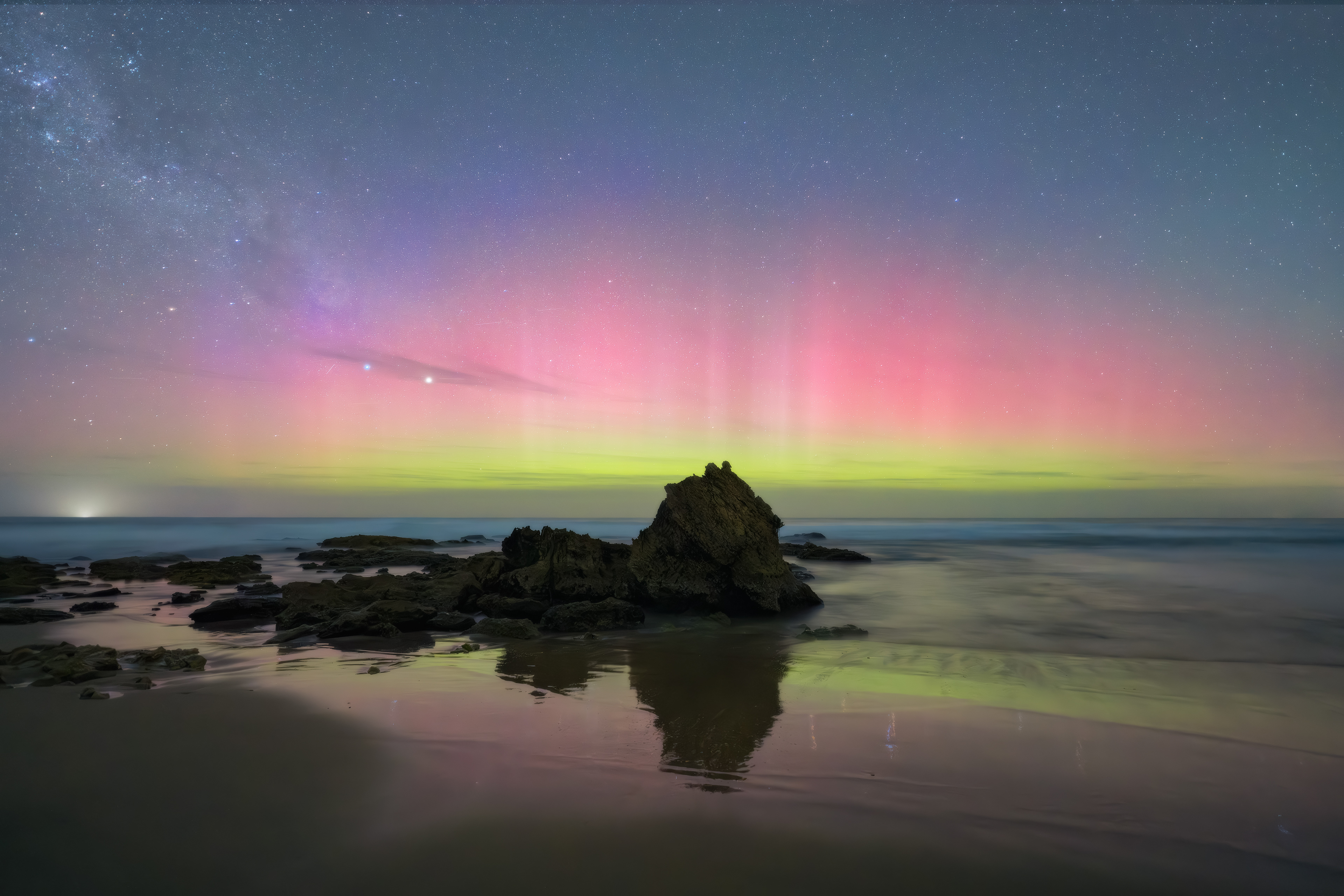
Aurora Australis (The Southern Lights) As seen from Aireys Inlet, VIC, in November 2025.
There are applications and websites which can be used to assess the likelihood of an auroras display.
Metrics such as solar wind speed & density, the solar wind's magnetic orientation (Bz), the strength of the magnetic field (Bt), are available on these sites/apps and all of this data when interpreted correctly will help you know if aurora is likely.
- You do not need to completely understand what all these values mean. Just know that higher numbers, except for the Bz, indicate better conditions for an aurora display.
- The Bz is the most important factor in an aurora occurrence. The more negative (e.g., -20) and the longer the negative reading persists, the higher the likelihood of a good aurora display. If the Bz is positive (e.g., +5) and hasn't been negative recently, there is little to no chance of an aurora at middle latitudes.
- Ignore the Kp-index. KP is a 3 hour average of activity, and does not necessarily reflect what is happening right now! By the time these apps & websites show for example a KP7, the aurora display may have already finished. This is why I recommend looking at the hemispheric power instead. It shows how active the aurora is right now/in the near future!
- To give you an idea of what to look for, some numbers that I recorded during a recent display (visible to the naked eye and very bright on camera) via the Aurora Alerts app were:
Solar Wind: 480kph
Bz: -20 (this was fluctuating but consistently negative around -20 for at least 3 hours)
Density: 10
Bt: 10
** I highly recommend checking the resources section further down the page and joining your local Aurora related Facebook group, as if there a solar storm expected, there will be a lot of chatter in the group providing the information you need! If you are new to searching for the Aurora and don't understand how things work, this is the best place to start. **
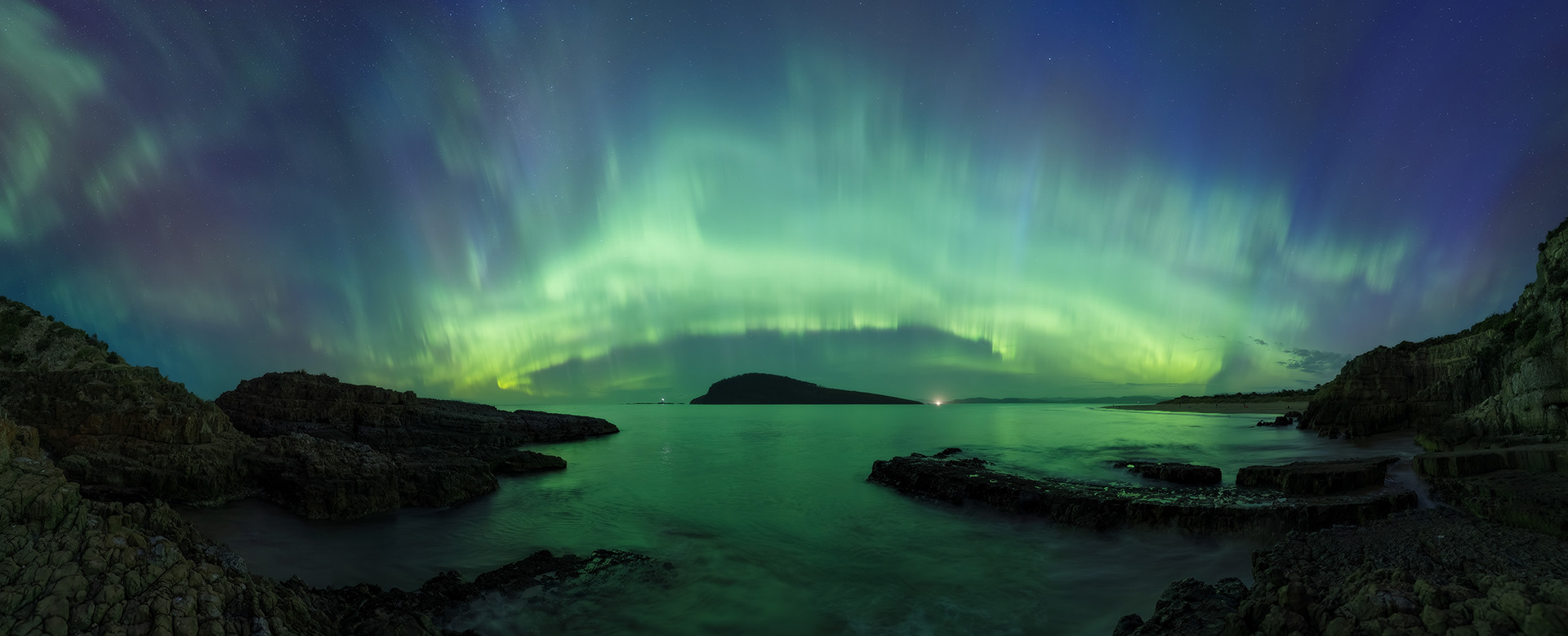
An incredible display of Aurora Australis as seen from South Arm, TAS - January 2026. The hemispheric power readings around this event were approximately 300GW - this event was photographed as far north as Halls Creek, Western Australia (That is right up the top of Australia)!
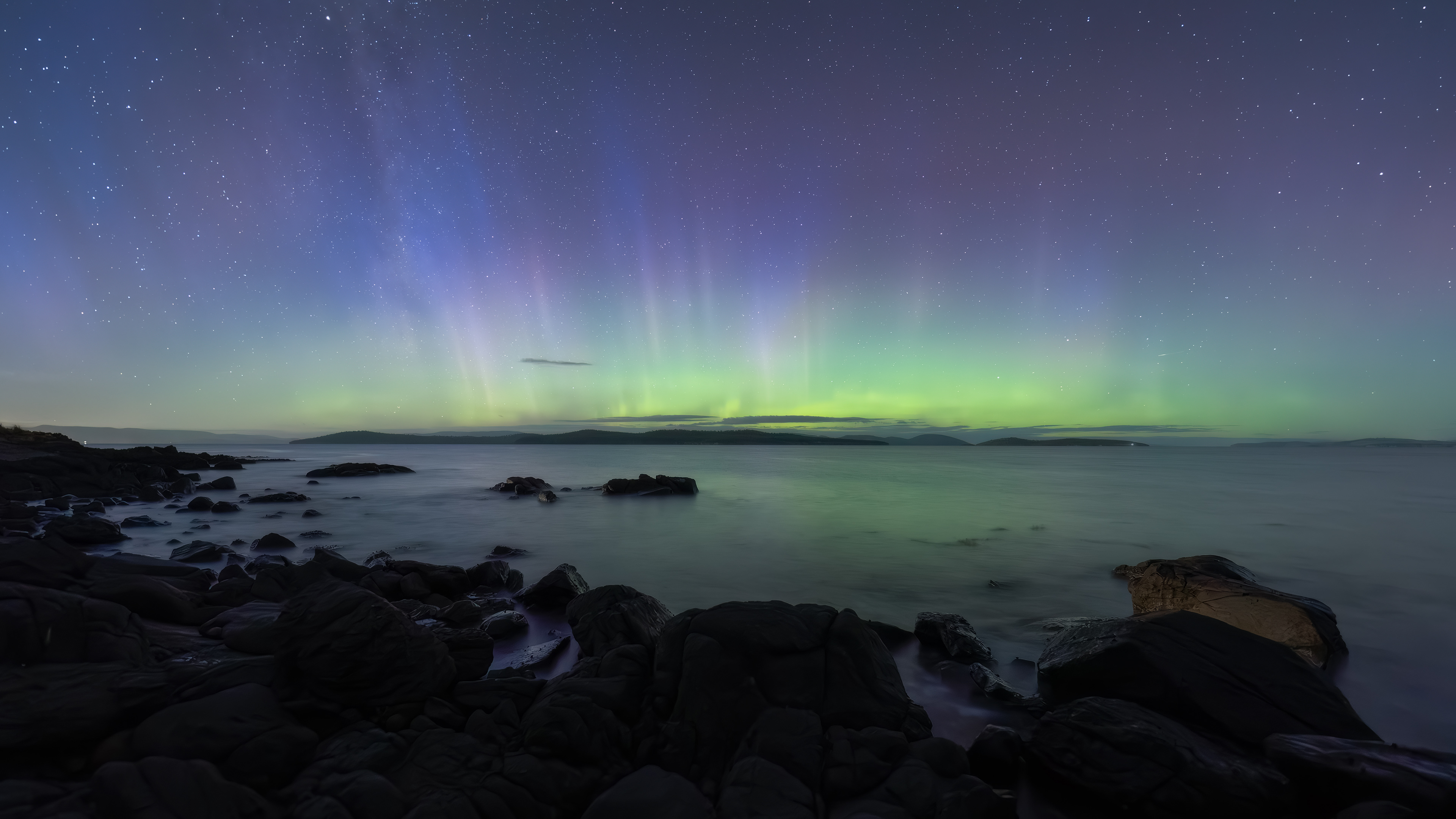
The subtle colours of an aurora are washed out by the rising moon in Southern Tasmania - January 2026. The hemispheric power during this event peaked at around 90GW.
- Unless there is strong activity, you will need to get well away from the city lights. Even if activity is intense enough to see it in the city, the viewing is much better with a dark sky!
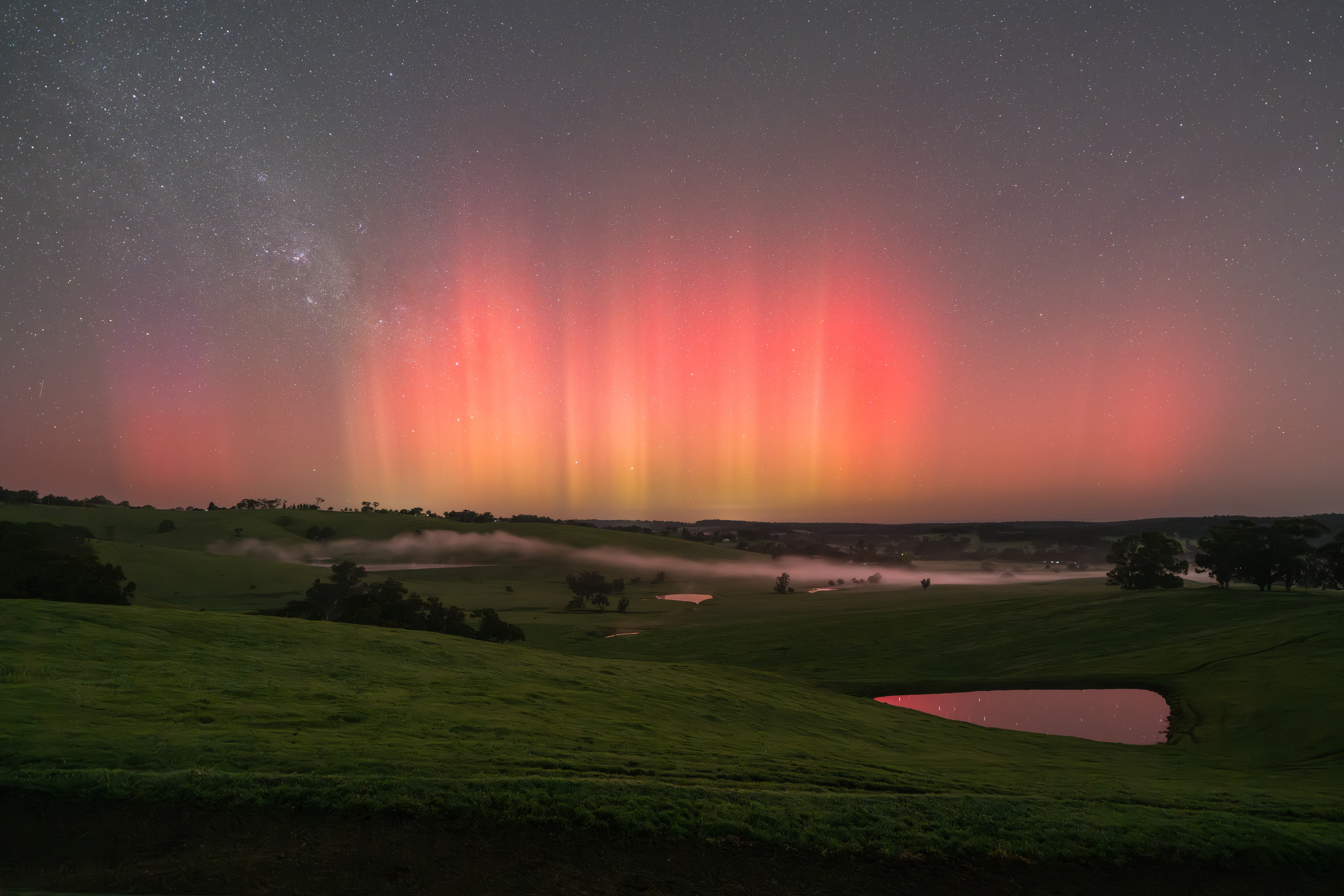
The Southern Lights dancing well into the night in rural southwest Western Australia - October 2024.
Settings:
- To capture aurora on camera, you need to keep your camera/device steady by using a tripod or support and using a timer delay.
- Use manual mode to set a long shutter speed (10 - 20 seconds is ideal), use a high ISO (as high as possible on mobile phones, and between 2000-6400 is recommended for cameras), and have as wide an aperture as your lens or device allows (e.g. f/4 - 1.8). These exposure settings offer an ideal starting point for most aurora displays - during a stronger event you may need to dial it back a bit.
- Manually focus your camera to infinity on a bright star or bright distant object (e.g. a streetlight).
- Shoot in a RAW file format for the best results when editing.
The settings and process used is very similar to general astrophotography, with the exception that you usually want to use a slightly faster shutter speed to capture detail in the aurora. I have a complete educational bundle on astrophotography which includes a full PDF guide and 4 video tutorials, covering my full process.
Equipment:
- A full-frame DSLR/Mirrorless camera will capture a superior image in comparison to APS-C and MFT cameras, and most modern cameras are likely to perform better than smartphones.
- If using an interchangeable lens camera I highly recommend a wide angle lens with a focal length between 14-24mm (full frame equivalent) and wide aperture capability. Whilst it is possible to capture the aurora with lenses with an aperture of around f/4, to achieve a bright exposure you will need to use a much higher ISO, which will degrade the image quality by introducing grain.
This is why I recommend a lens with a wide aperture opening such as f/2.8 or wider. My personal choice is a 14mm or 20mm f/1.8 lens.
- When using a smartphone it is best to use the default magnification (e.g. 1x zoom).
- A tripod is essential for getting good results when photographing the aurora. You will be using slow shutter speeds, and if you handhold the camera - you will have a lot of motion blur. You can balance your camera/phone on a ledge or similar, but will be restricted in how you frame up the image. See my FREE Tripod Selection Guide on Patreon for more information on tripods.
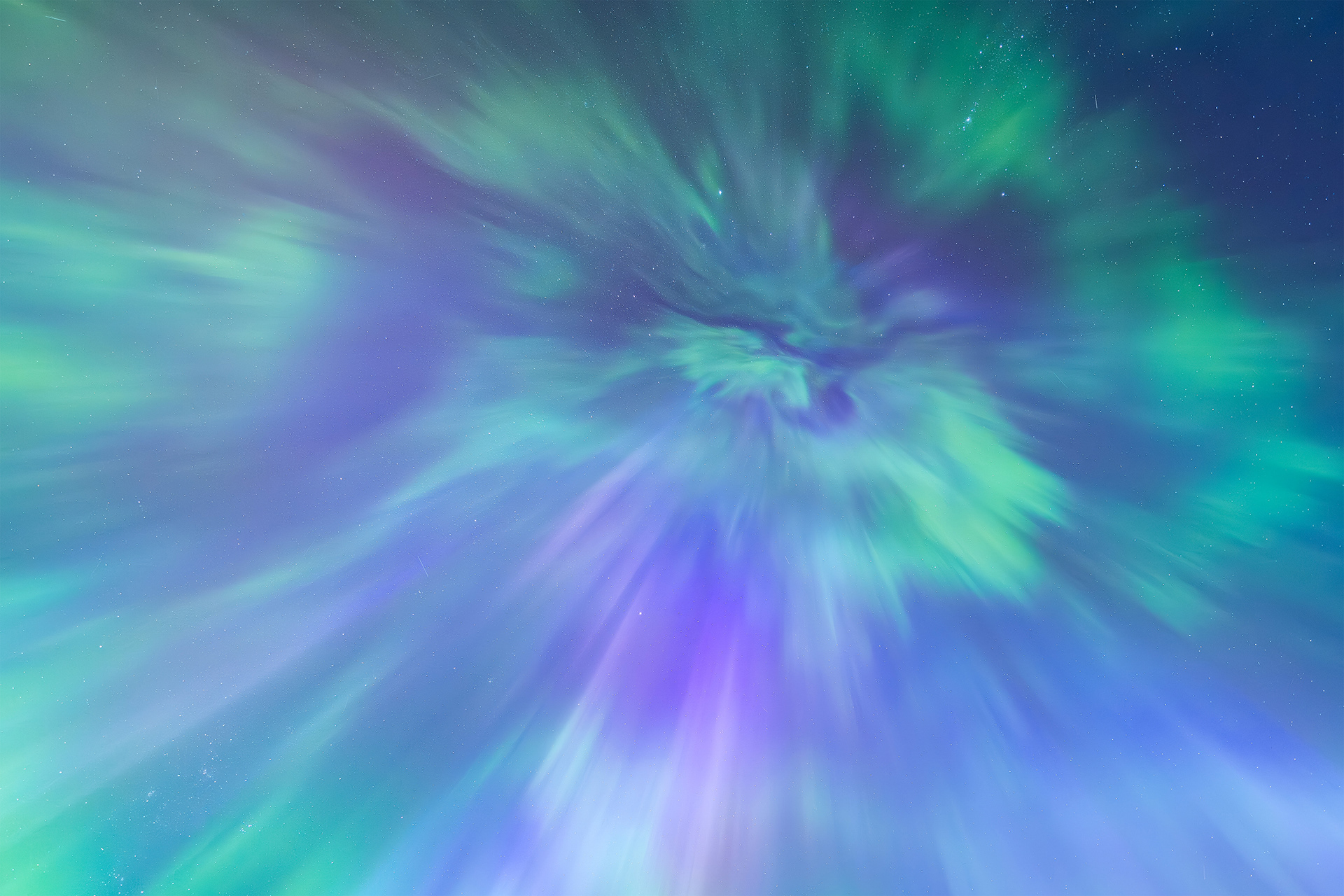
The Aurora Australis directly overhead in Tasmania - January 2026.
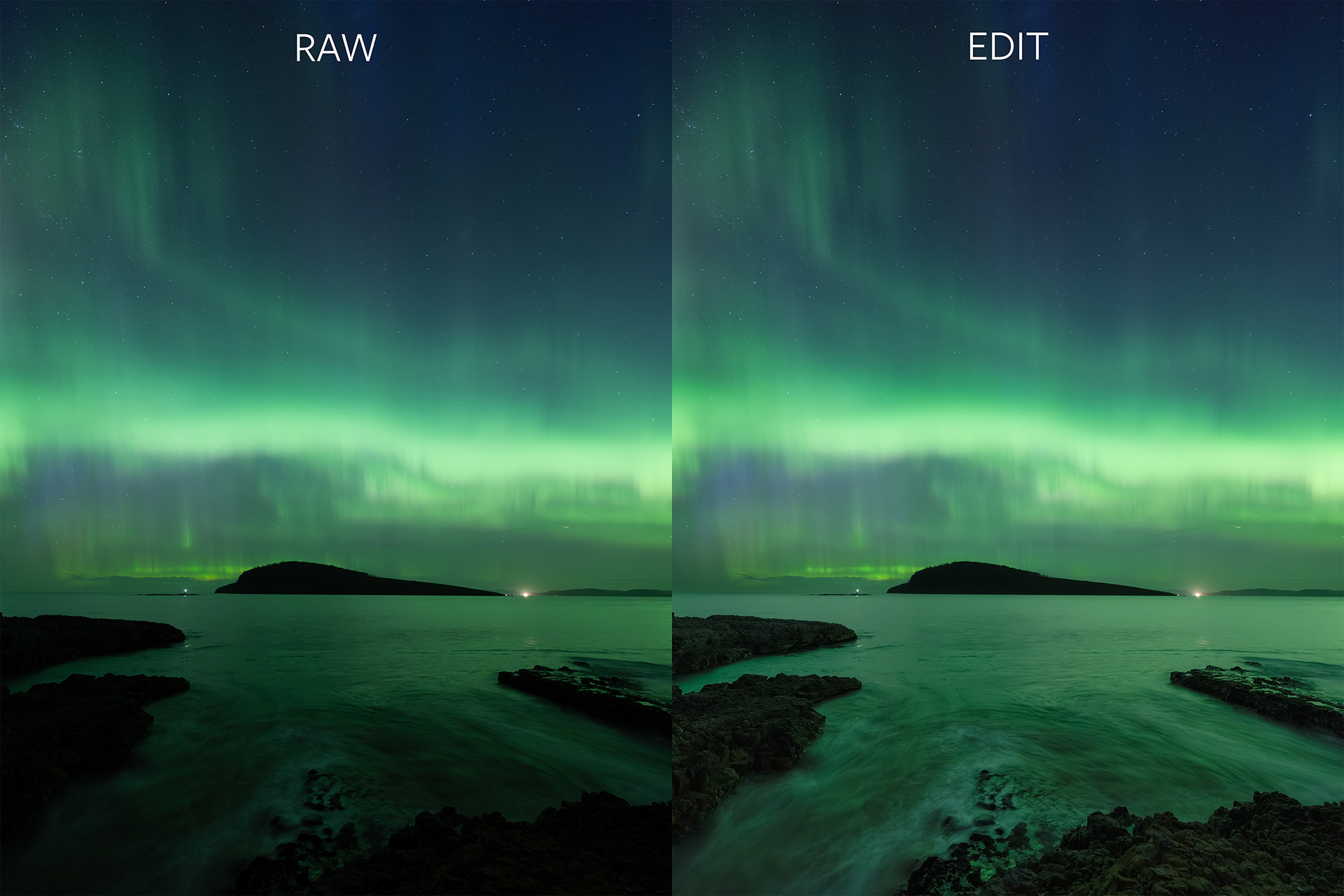
This Aurora Australis image only required a subtle edit - I have simply brightened the foreground to reveal more details in the rock.
Purchase the full Aurora Australis Post Processing Bundle for just $17.49 here.
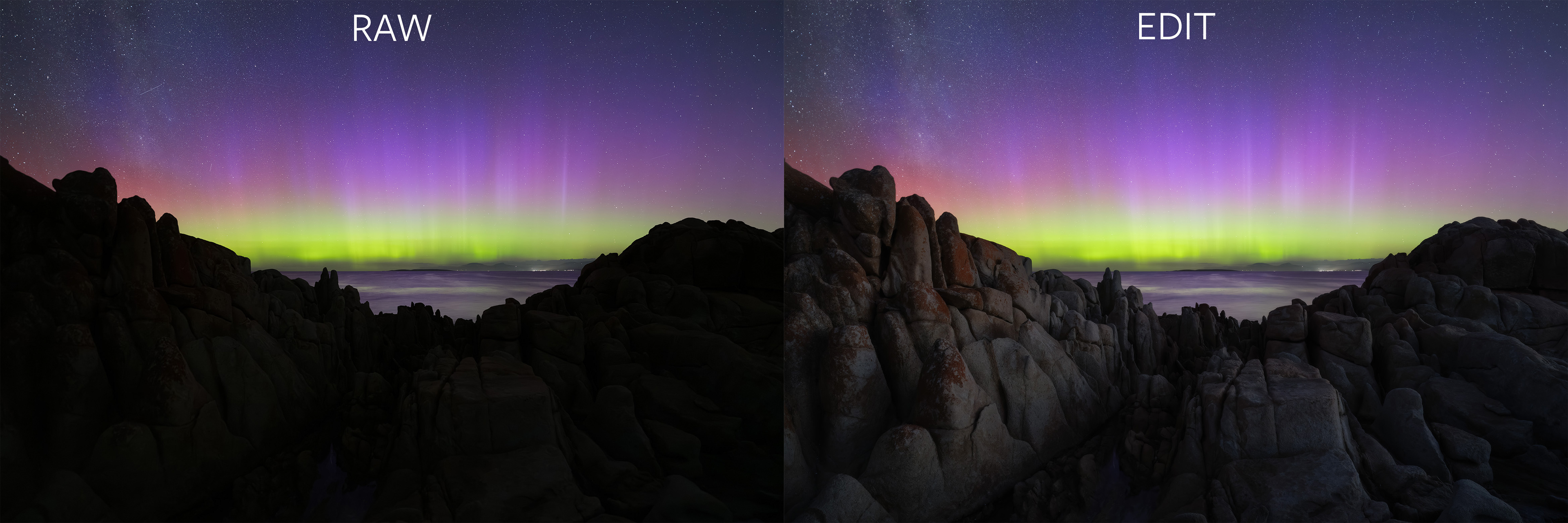
A slightly more drastic edit - but as you can see there was no need to alter colour in the sky - the aurora is vivid enough straight out of camera!
Below is a list of mobile applications, websites, and Facebook groups that I recommend joining - to help with capturing the Aurora Australis.
- Glendale App: This is both a website and mobile application. The information on this is accurate and up to date. It is a little harder for beginners to understand the information on here, but once you have done a few hours of research and reading, you won't need to rely on other people/Facebook groups any more. It also includes free alerts & notifications. The only downside of Glendale is that in periods of high activity it often becomes overloaded with user traffic - and some features become unavailable.
https://aurora-alerts.uk/
- Space Weather Live App: This is an alternative to Glendale and also displays hemispheric power data. It usually keeps running just fine when there is a big event and lots of people are using the app - but it has advertisements.
Android: https://play.google.com/store/apps/details?id=com.spaceweatherlive.app&hl=en&pli=1
IOS: https://apps.apple.com/se/app/spaceweatherlive/id1435501021?l=en-GB
- Windy.com: This is my preferred mobile weather app for planning any photography outings. It has satellite imaging and cloud forecasting which will help you find clear skies in the even of an aurora display.
Andriod: https://play.google.com/store/apps/details?id=com.windyty.android&hl=en_AU&gl=US
IOS: https://apps.apple.com/au/app/windy-com-weather-radar/id1161387262
Websites:
- Light Pollution Map
- Windy.com The web version of the mobile weather app for planning any photography outings. It has satellite imaging and cloud forecasting which will help you find clear skies in the even of an aurora display.
Facebook Groups:
When joining any Facebook groups be sure to look out for any pinned posts, read through previous posts, look in the files sections for answers to FAQ, or use the search function to type your questions and see who else has already asked/answered. It is important to keep the clutter in Facebook groups to a minimum so that the posts advising members of likely activity/forecasts aren't drowned out.
Even if you are based in Western Australia or South Australia, It's worth joining groups based in the eastern states and New Zealand. Because it gets dark sooner in those places, you can see peoples images from any Aurora over there and have a better idea of what to expect after the sun goes down in your location.
- Aurora Australis Western Australia
- Southern Hemisphere Aurora Group
- Aurora Australis (NZ)
- Southwest Victoria Australia Aurora Hunters
I hope you have enjoyed reading and learning from this guide to finding and photographing the Aurora Australis!
All of the images here are available as prints, they can be purchased by filling out this form.
To learn more, check out my complete educational bundle on astrophotography which includes a full PDF guide and 4 video tutorials, covering my full process. Now listed at half price!
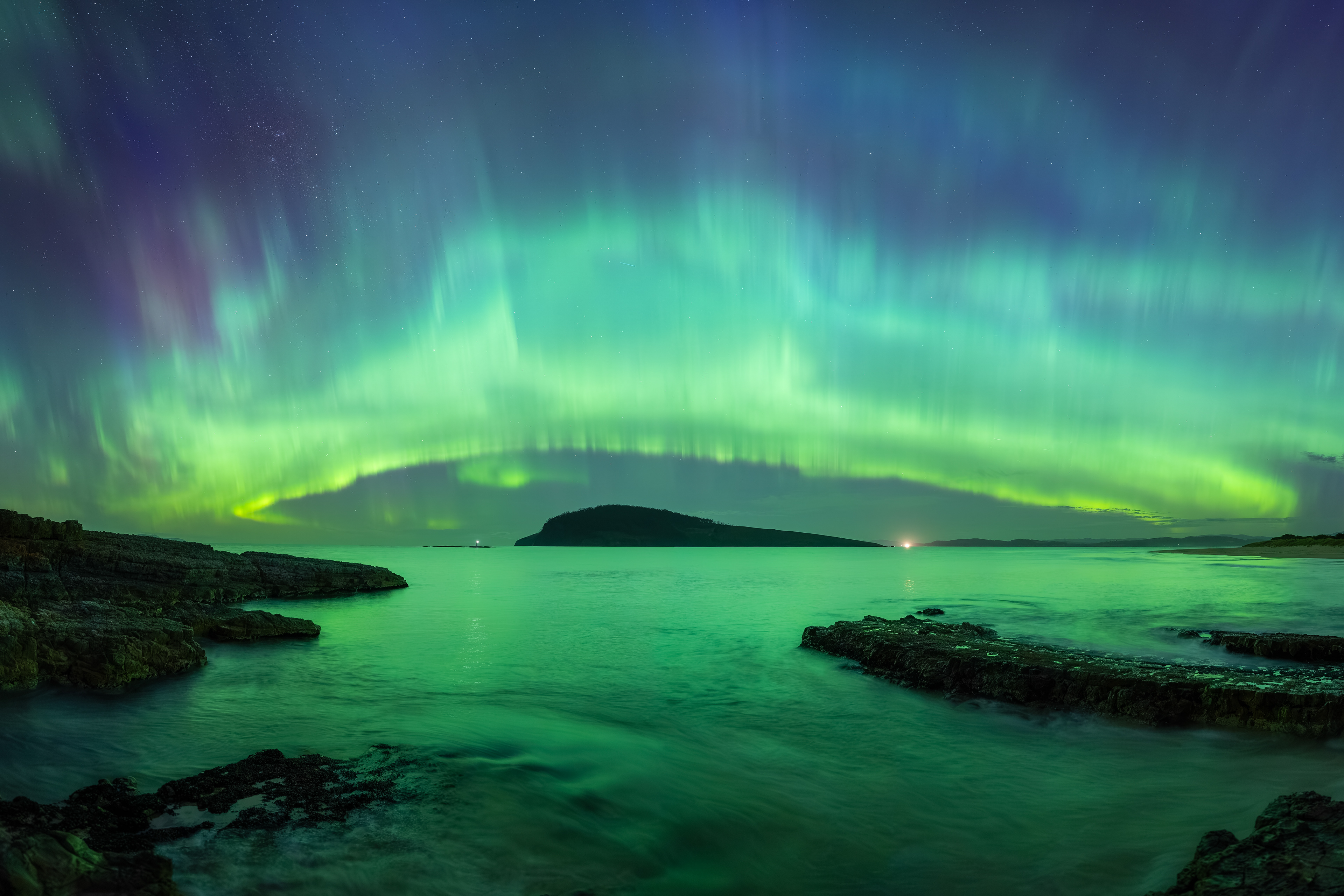
Aurora Tasmania
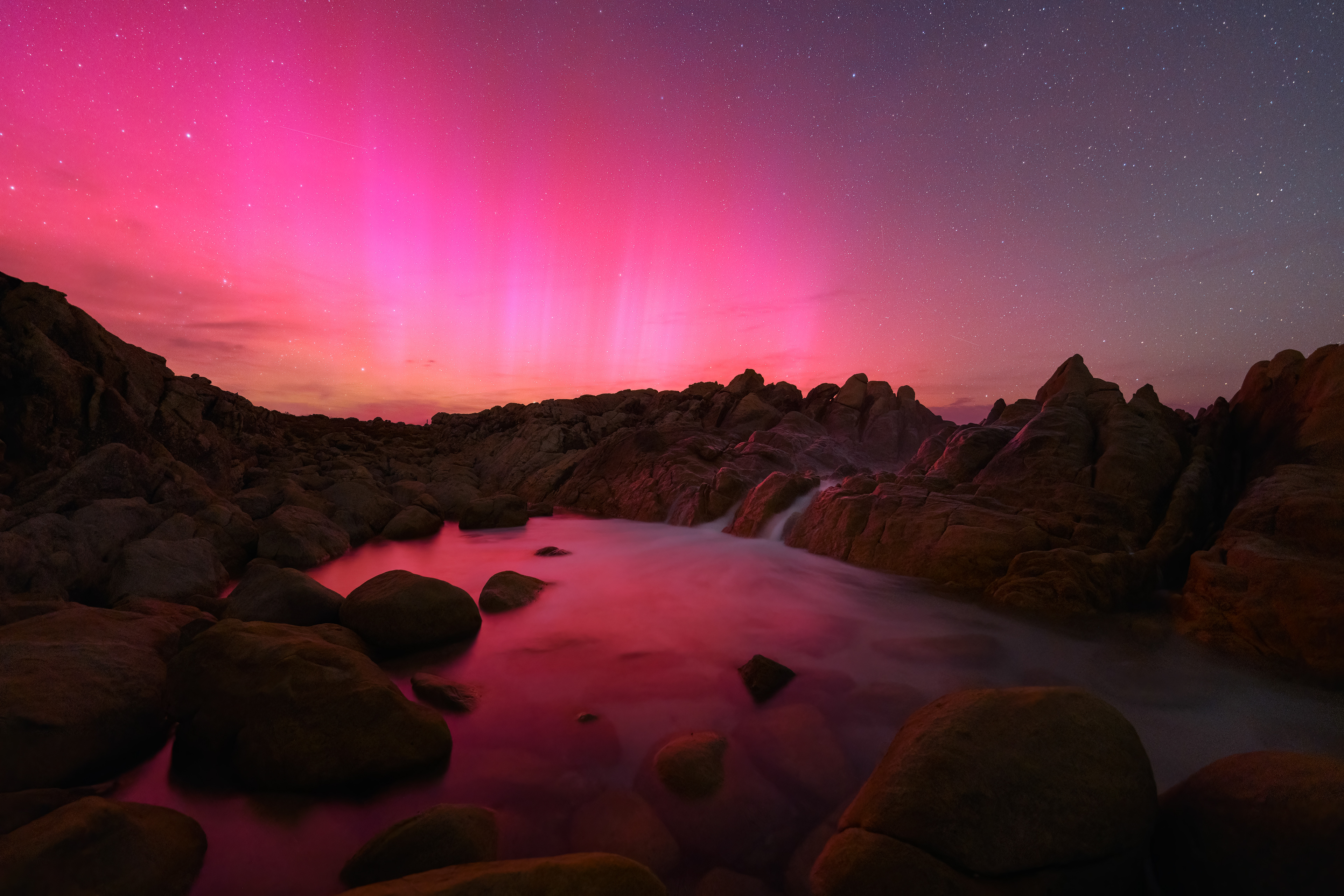
Aurora Southwest WA
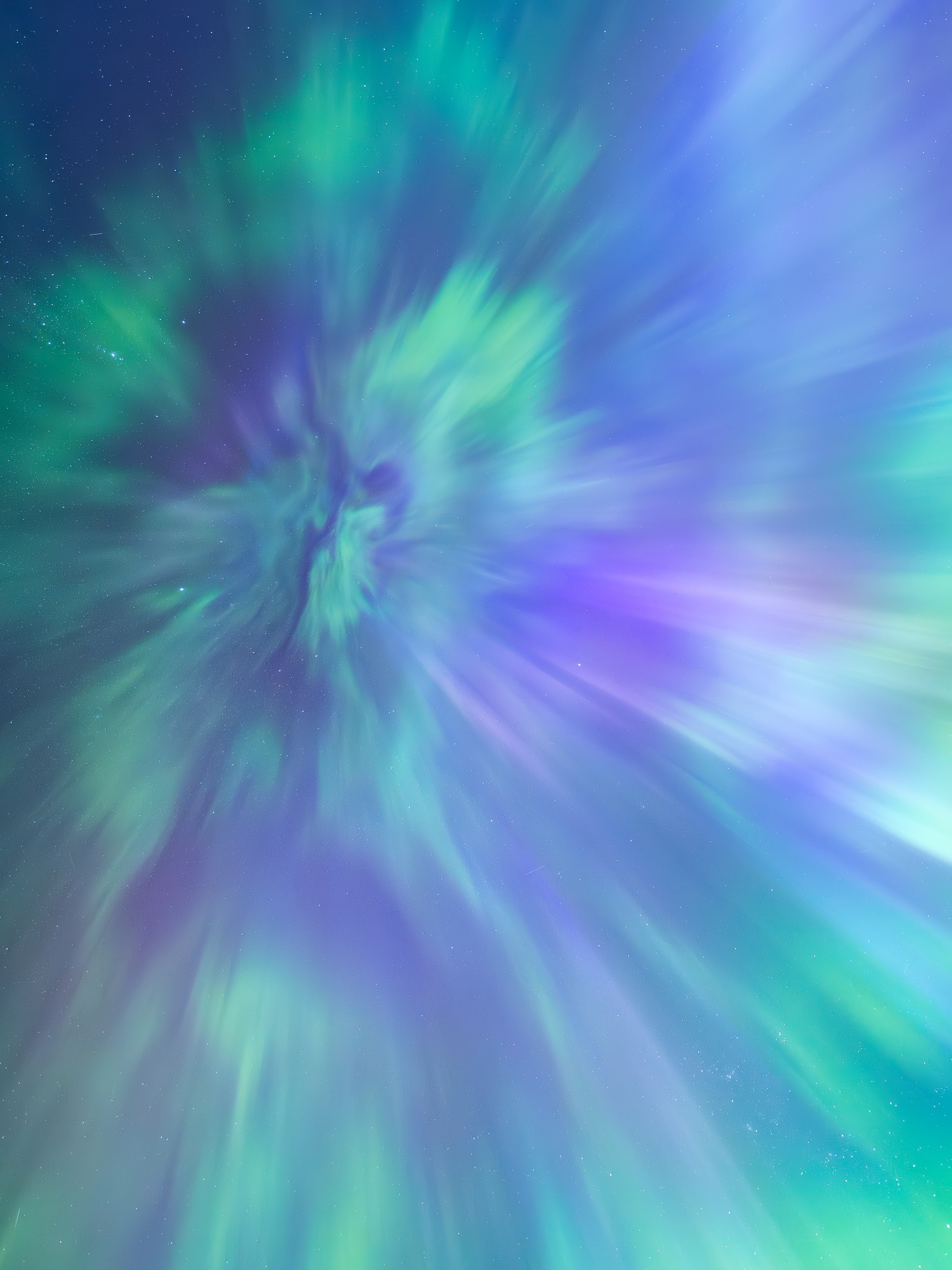
Aurora Tasmania
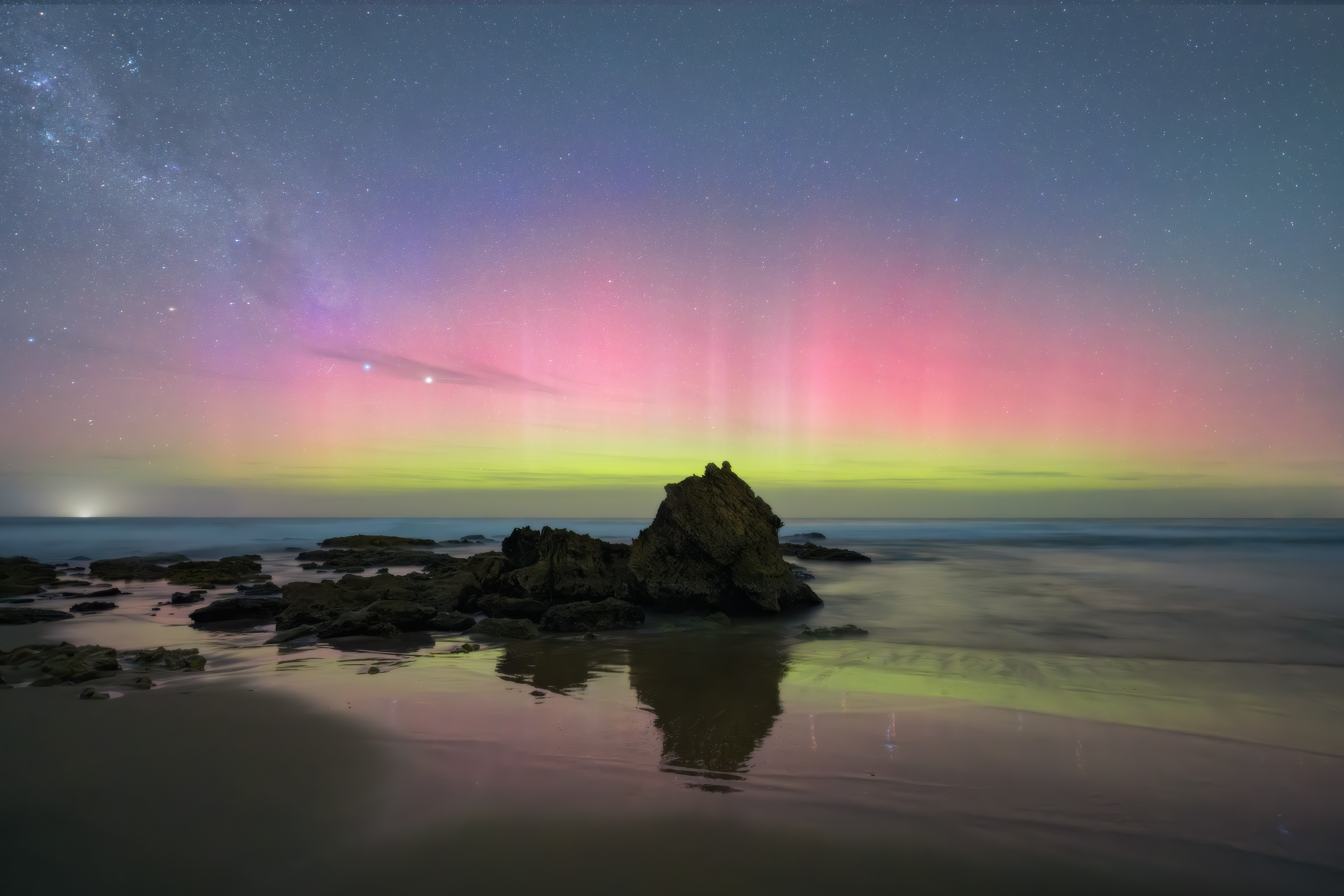
Aurora Victoria
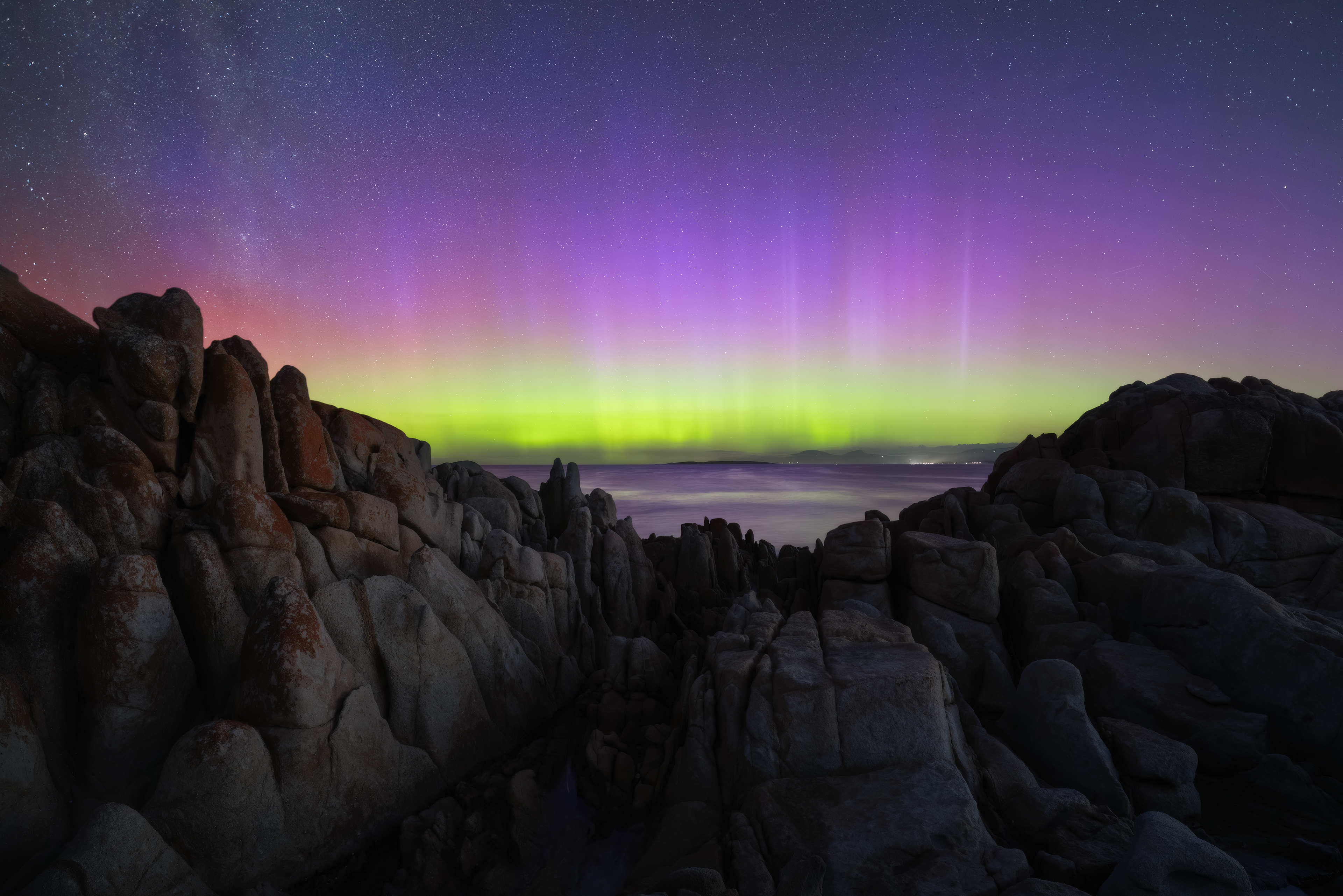
Aurora Tasmania
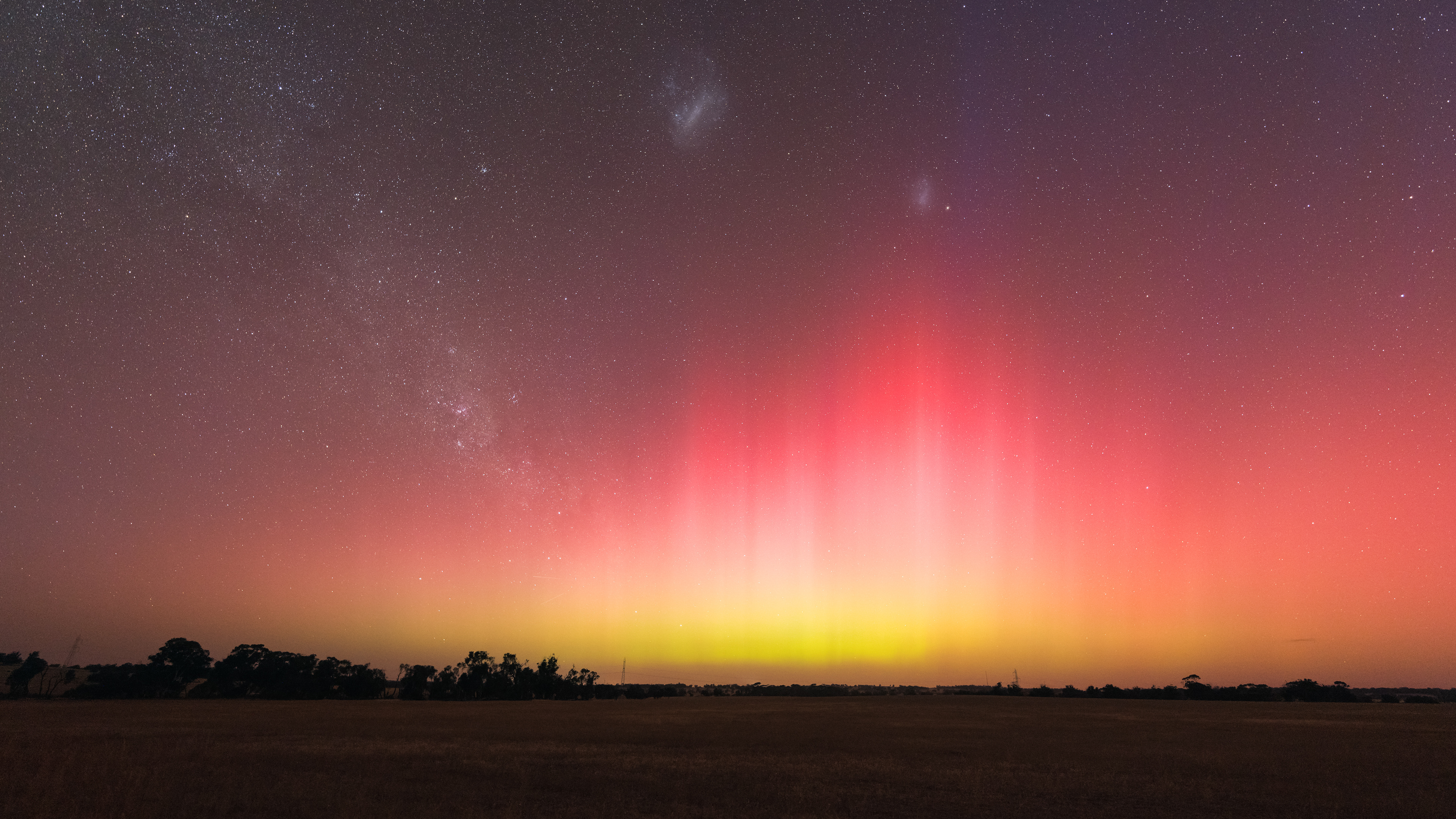
Aurora Wheatbelt WA
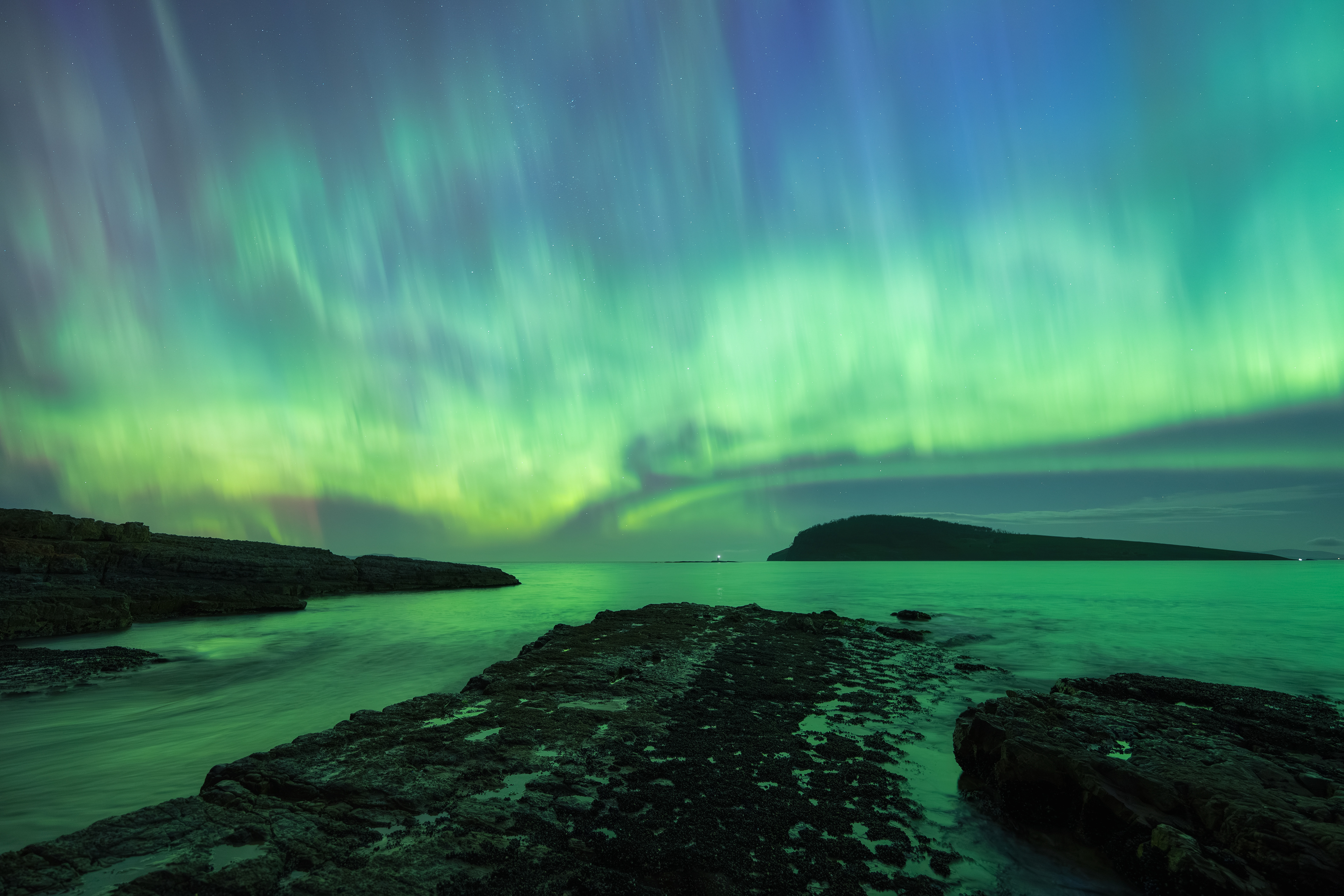
Aurora Tasmania
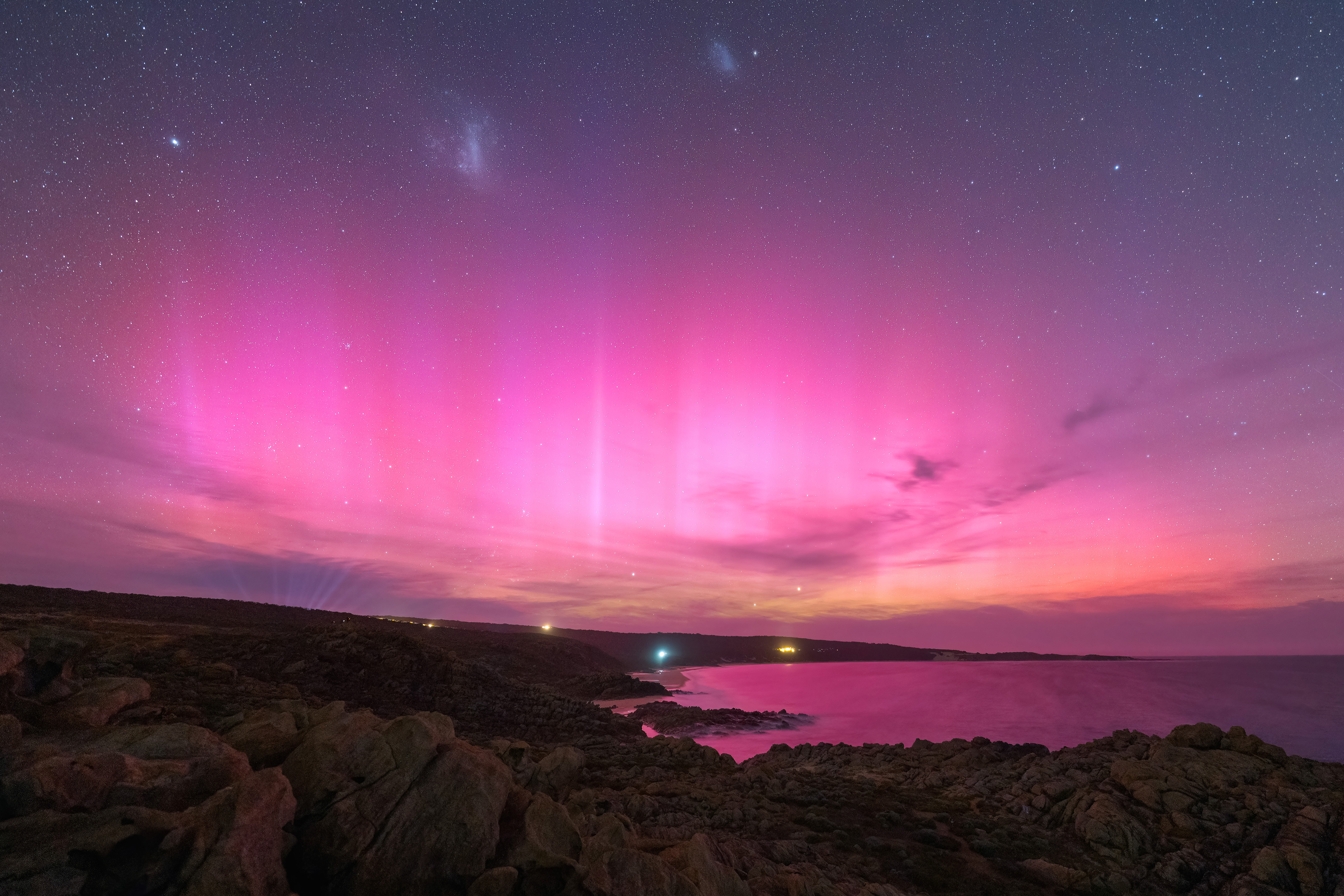
Aurora Southwest WA
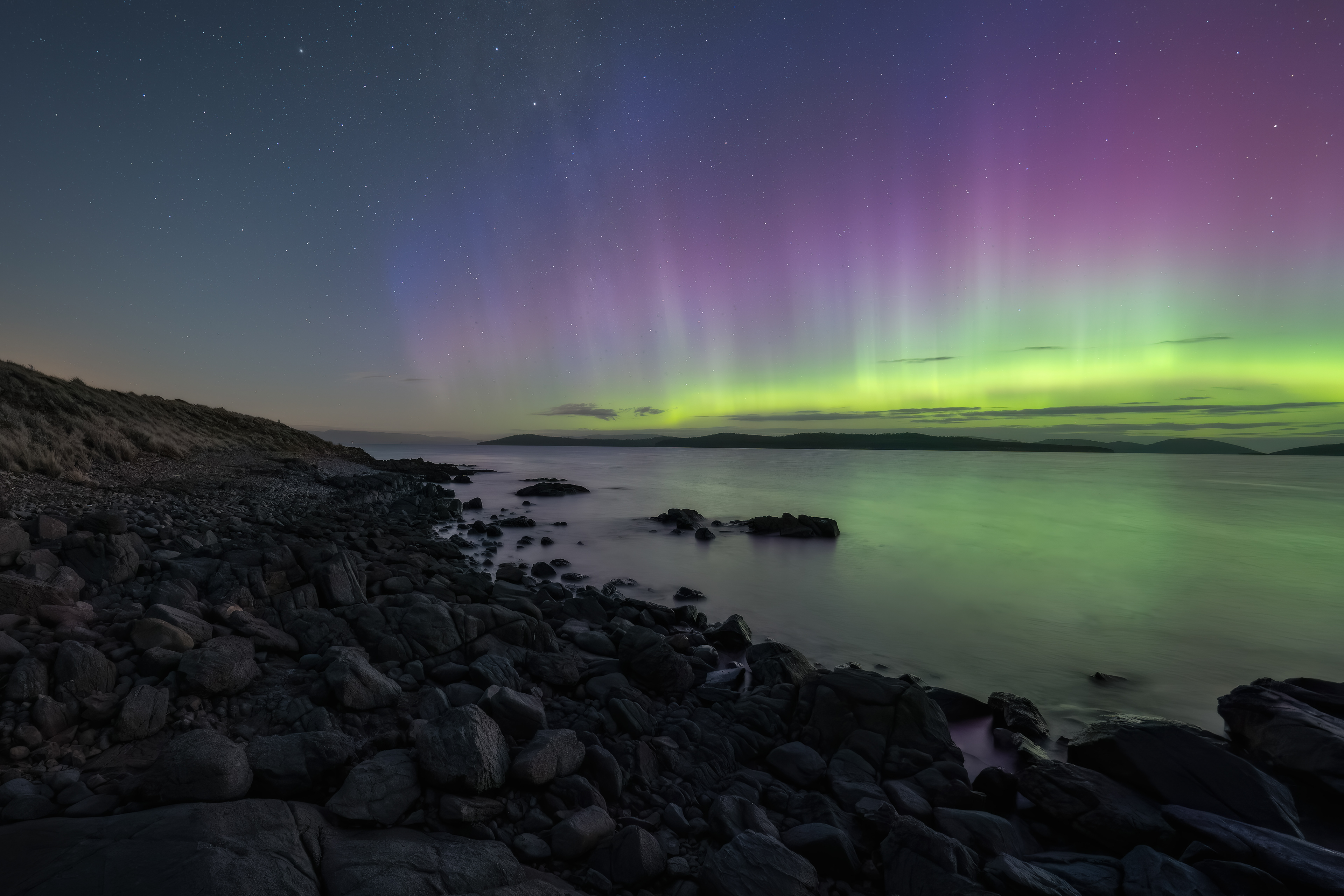
Aurora Tasmania
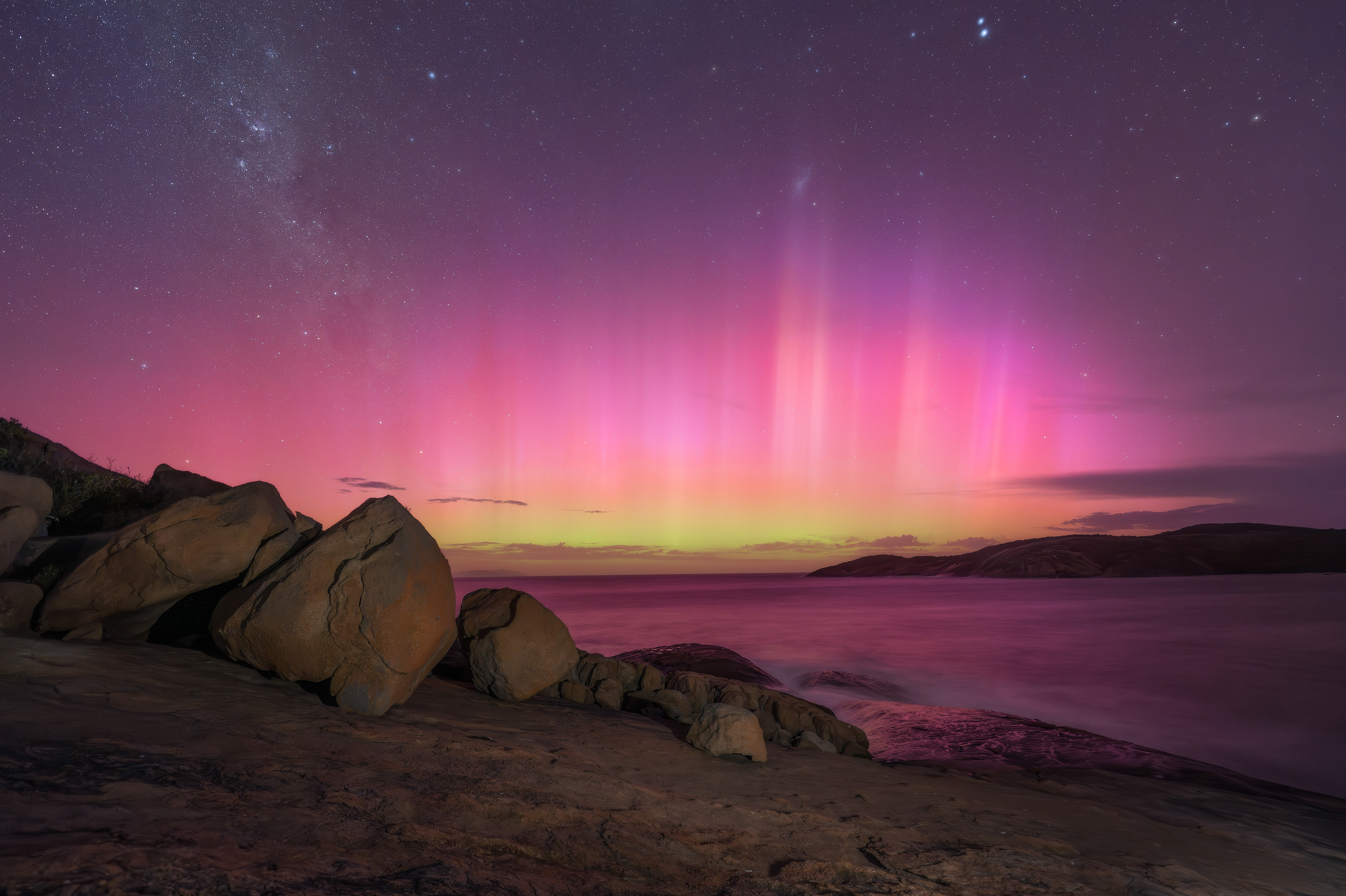
Aurora Esperance WA
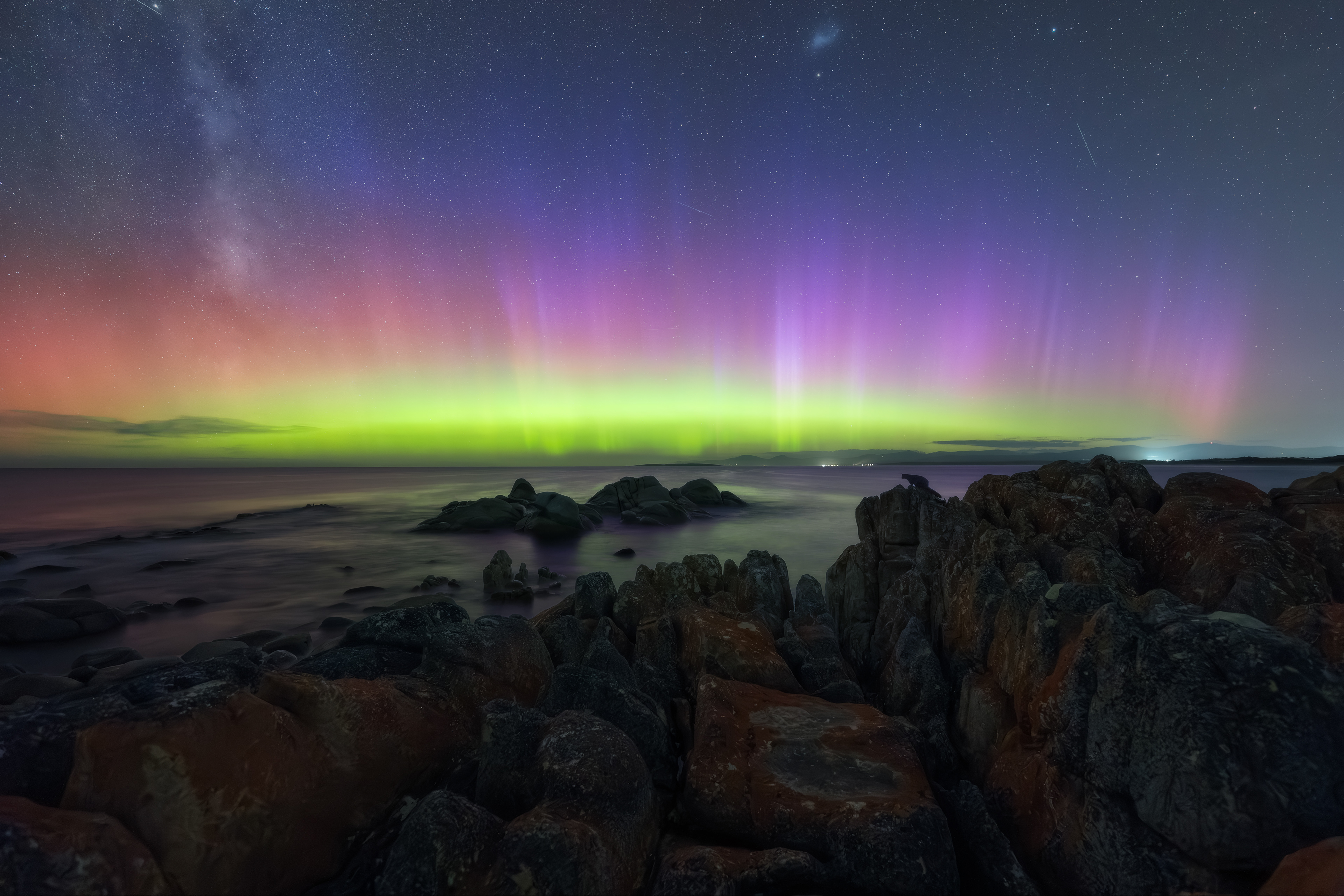
Aurora Tasmania
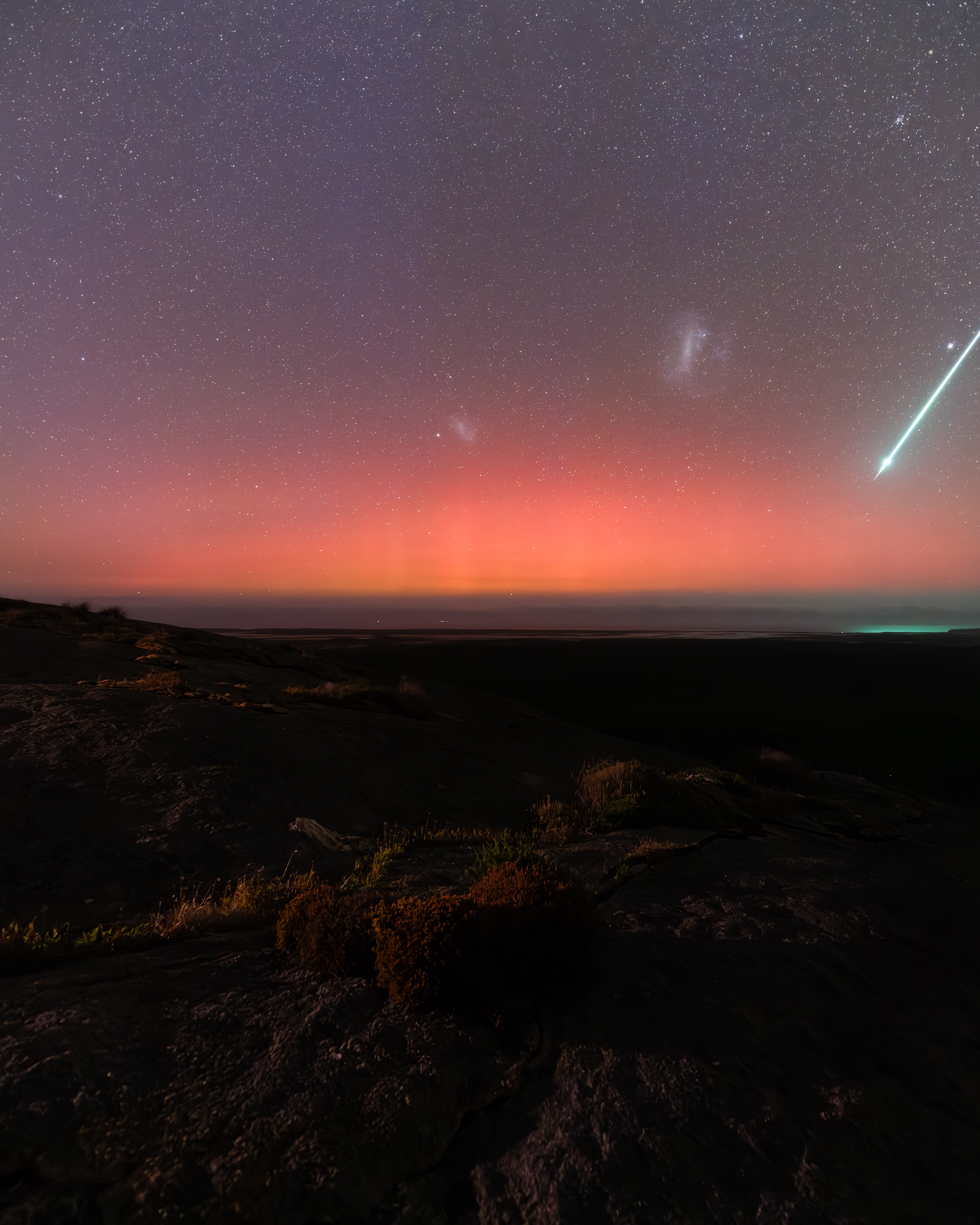
Aurora Southwest WA
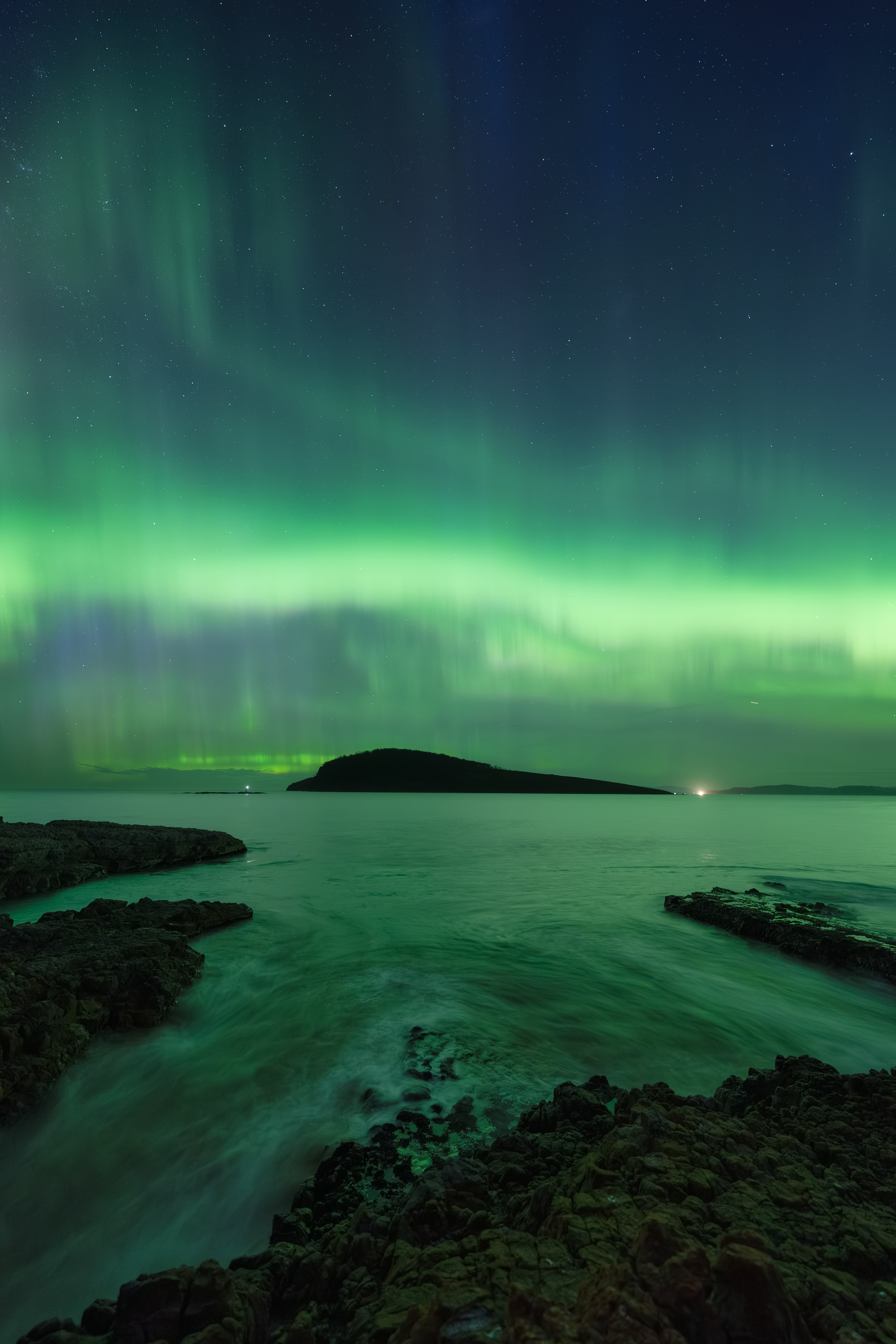
Aurora Tasmania
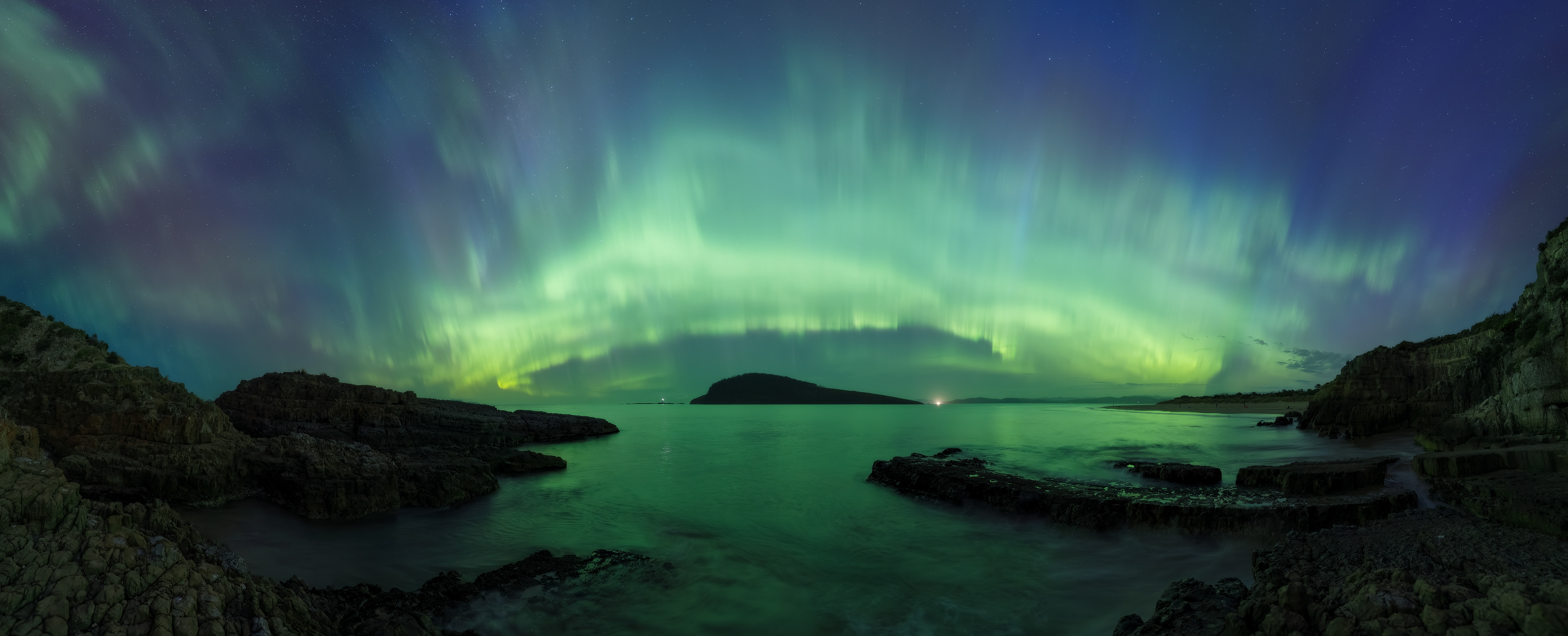
Aurora Tasmania
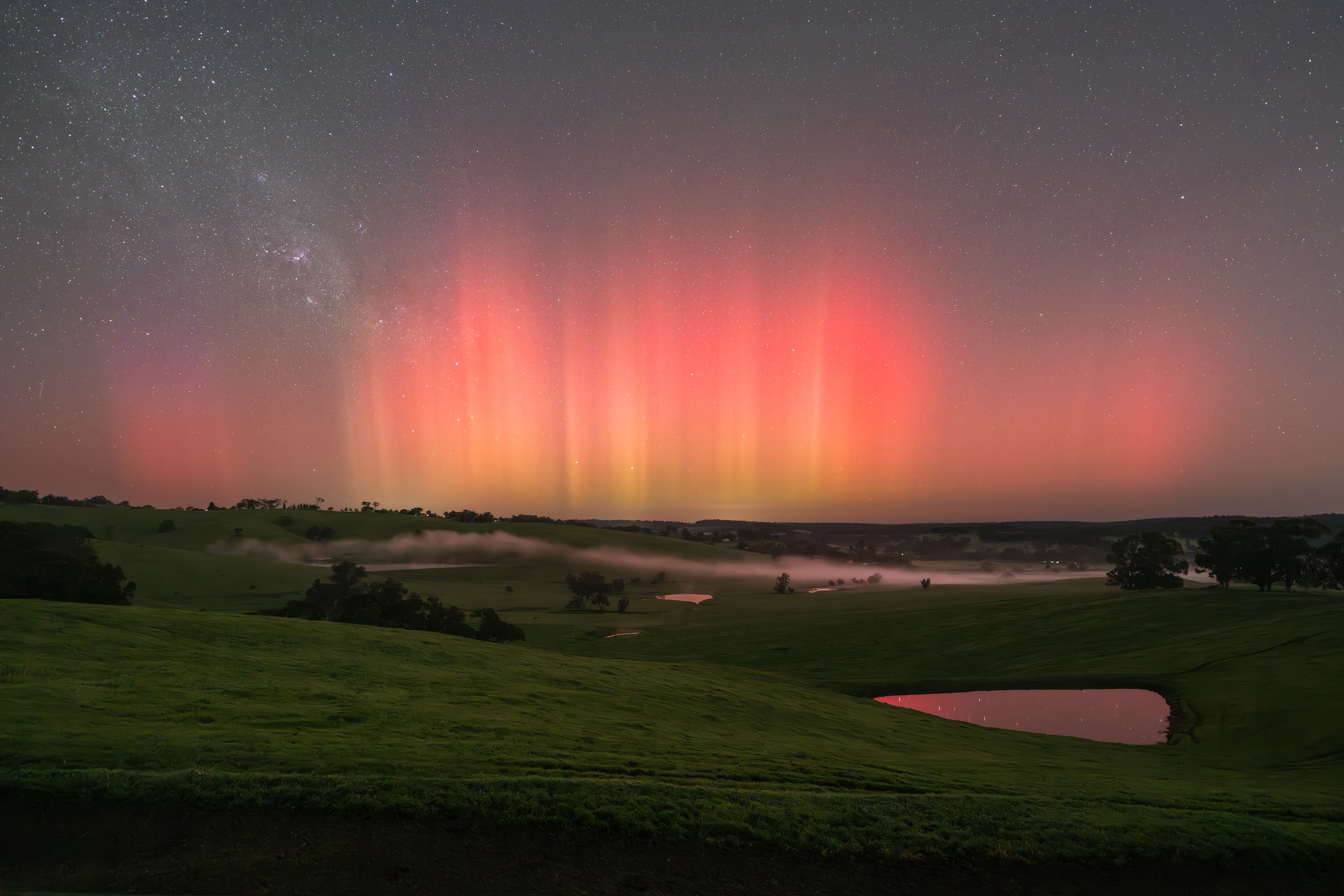
Aurora Southwest WA
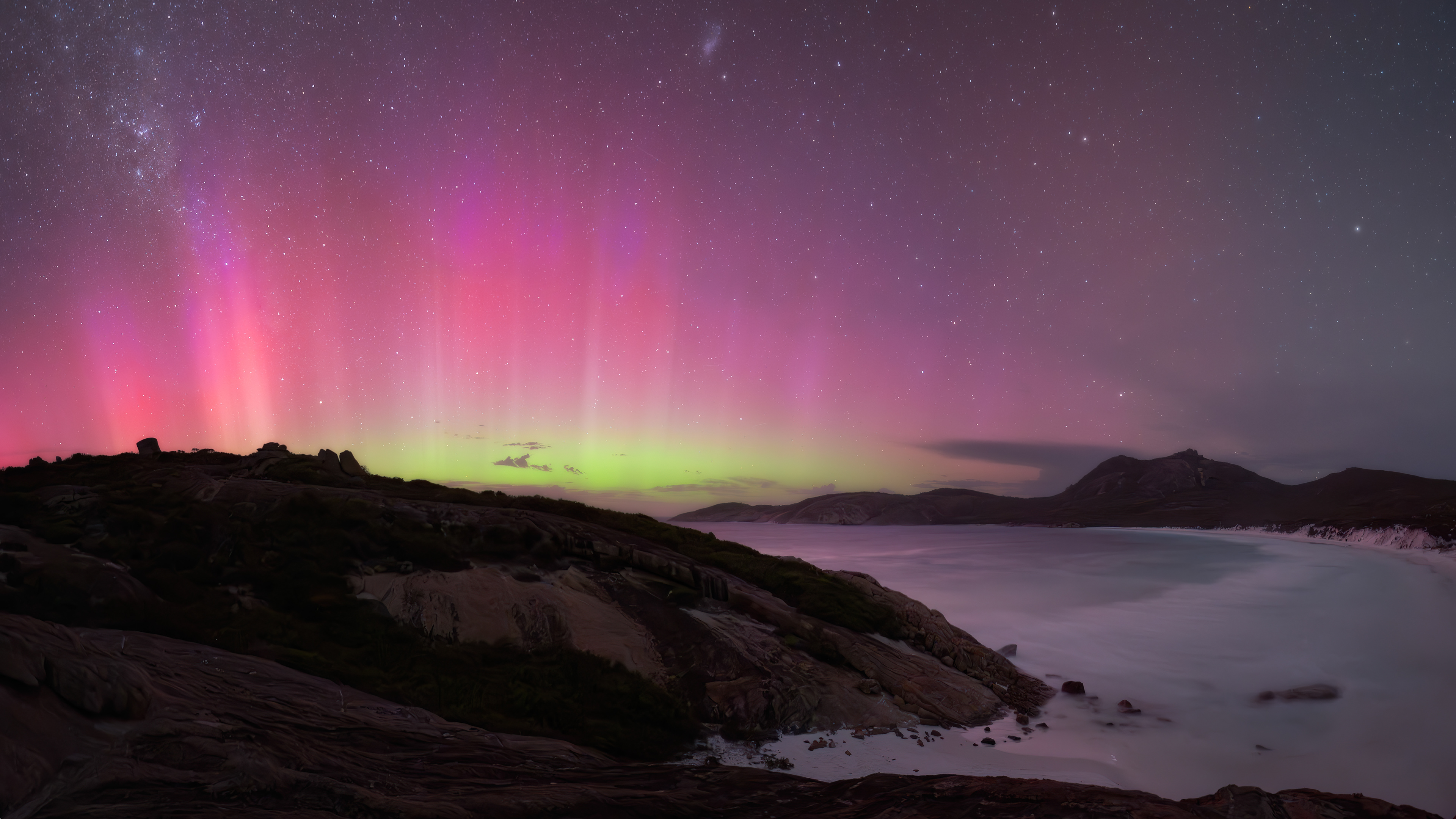
Aurora Esperance WA
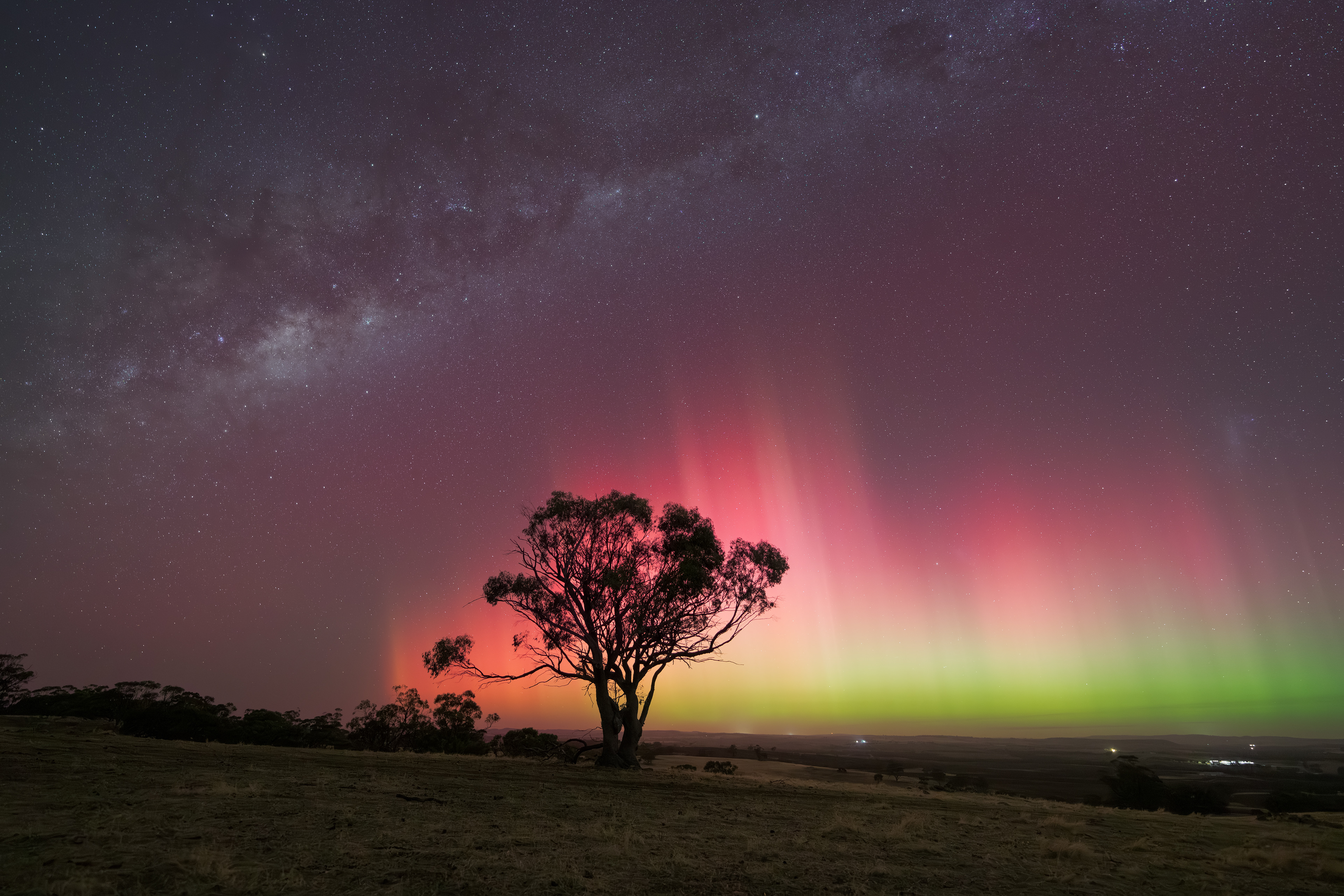
Aurora Wheatbelt WA
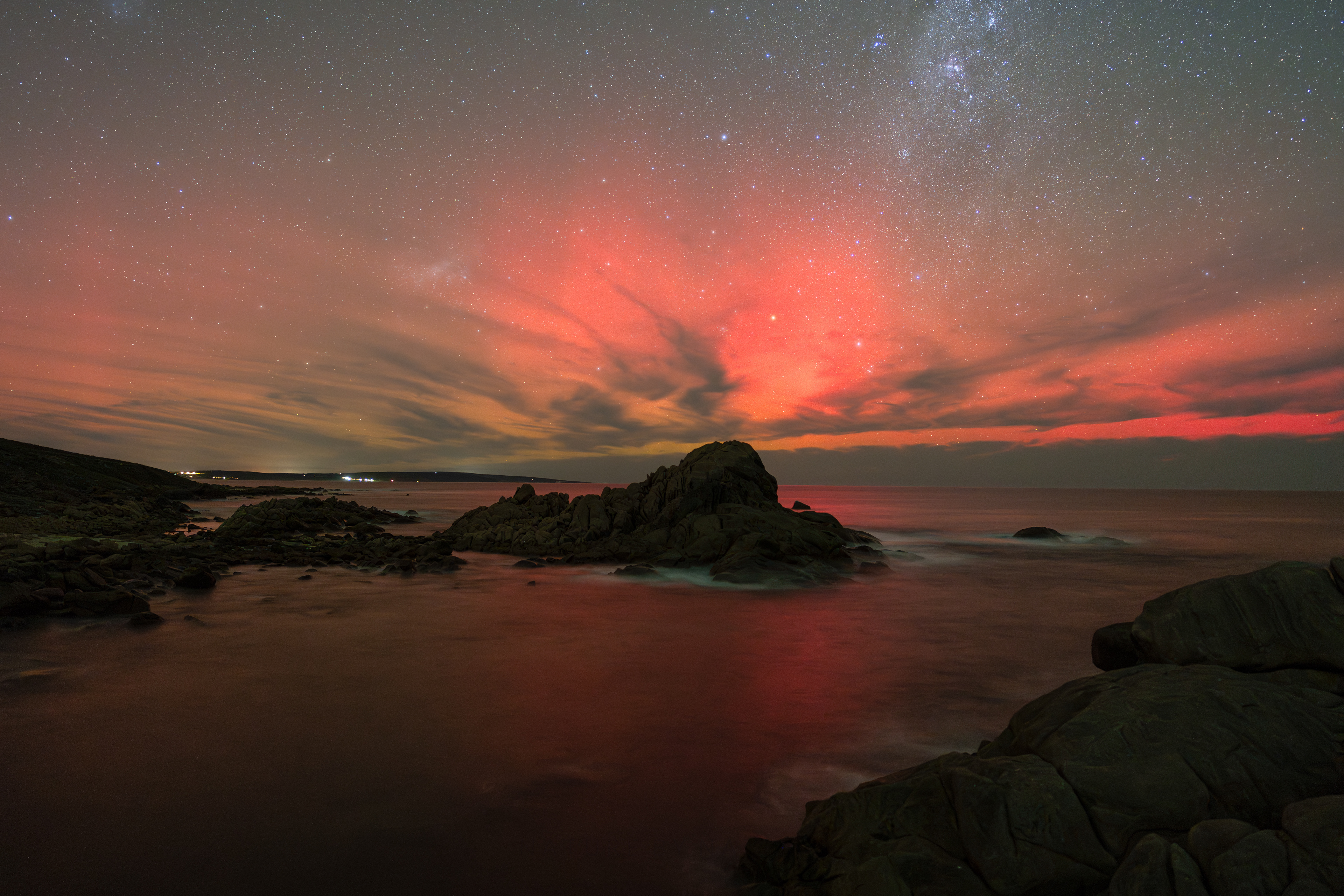
Aurora Southwest WA
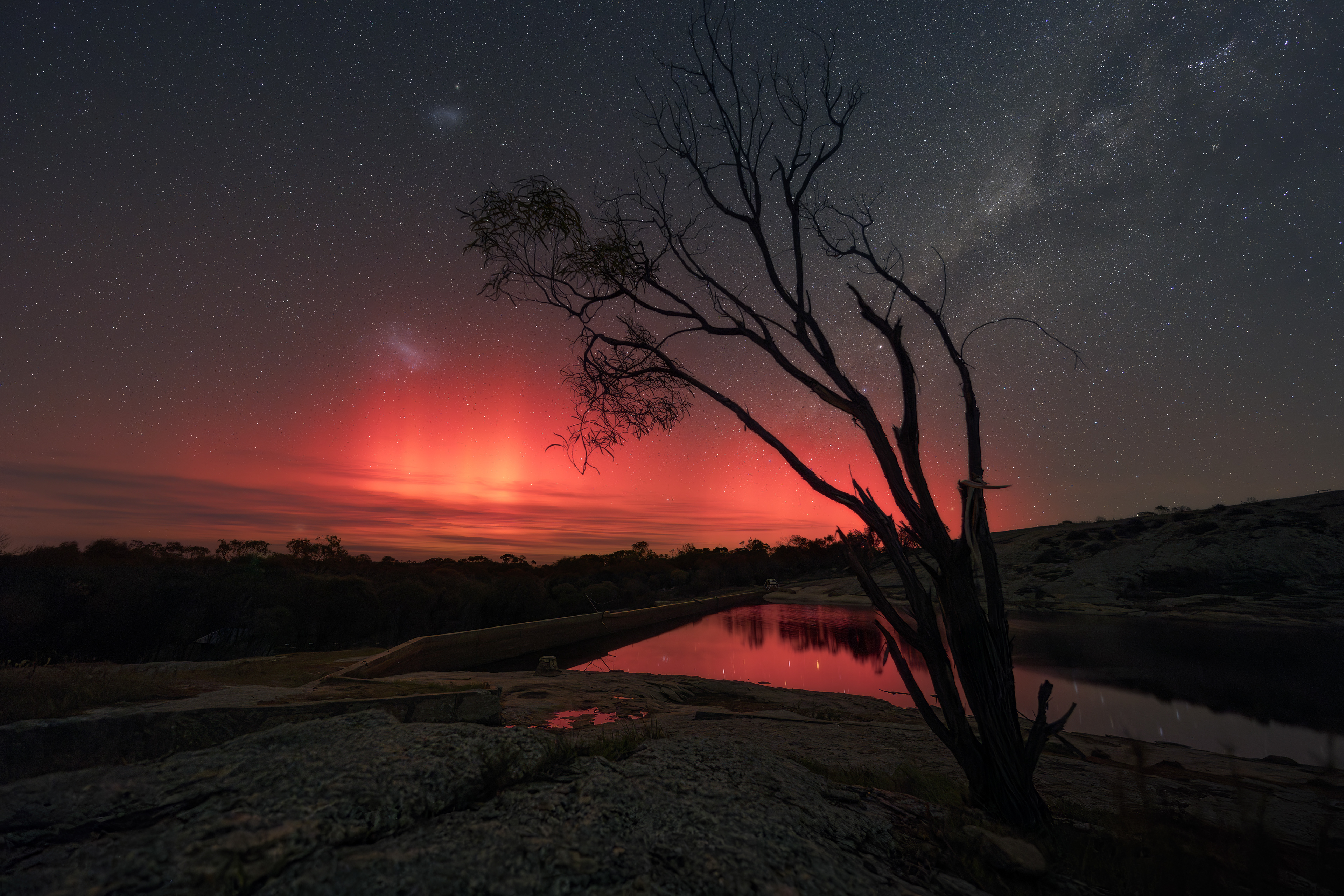
Aurora Wheatbelt WA
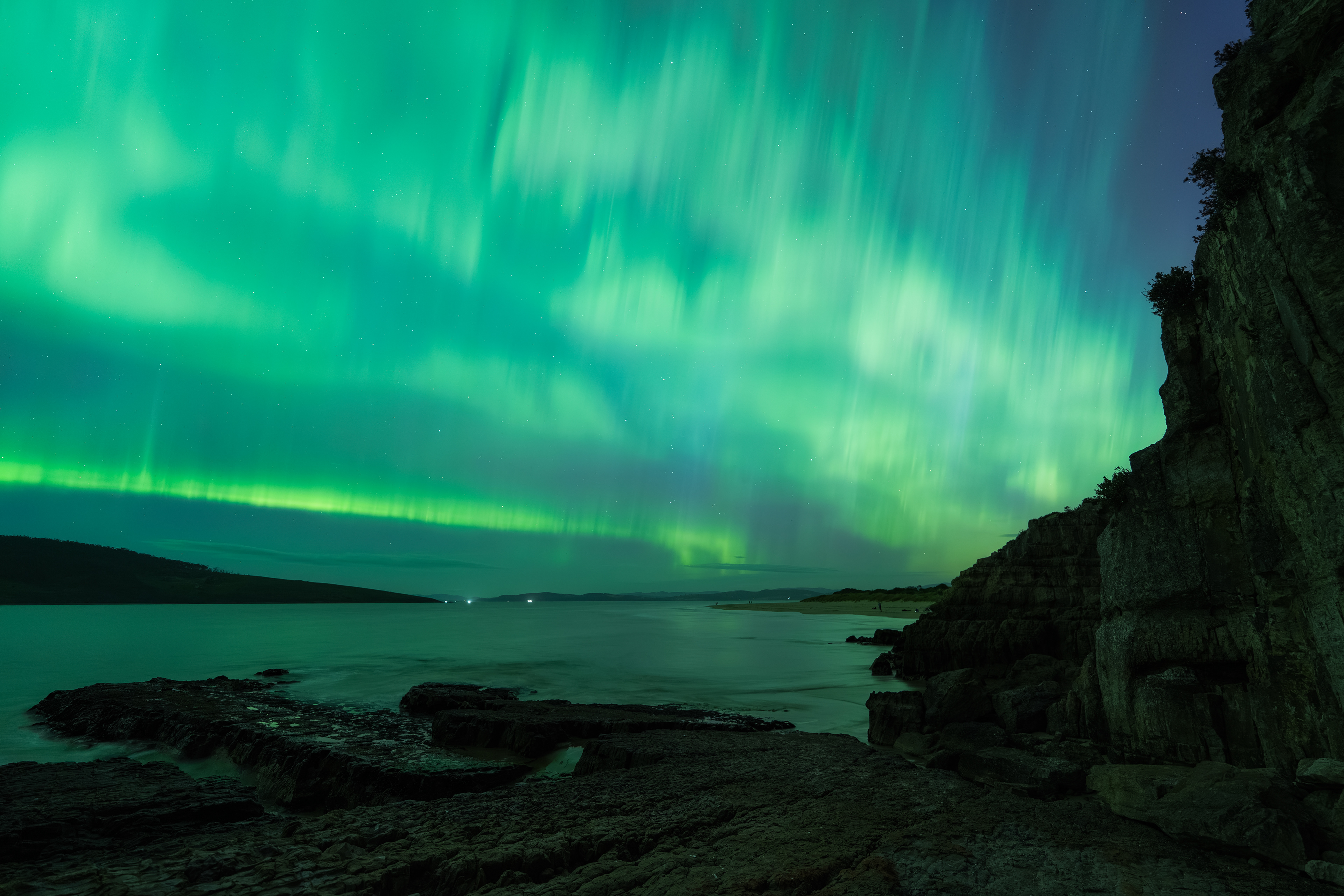
Aurora Tasmania
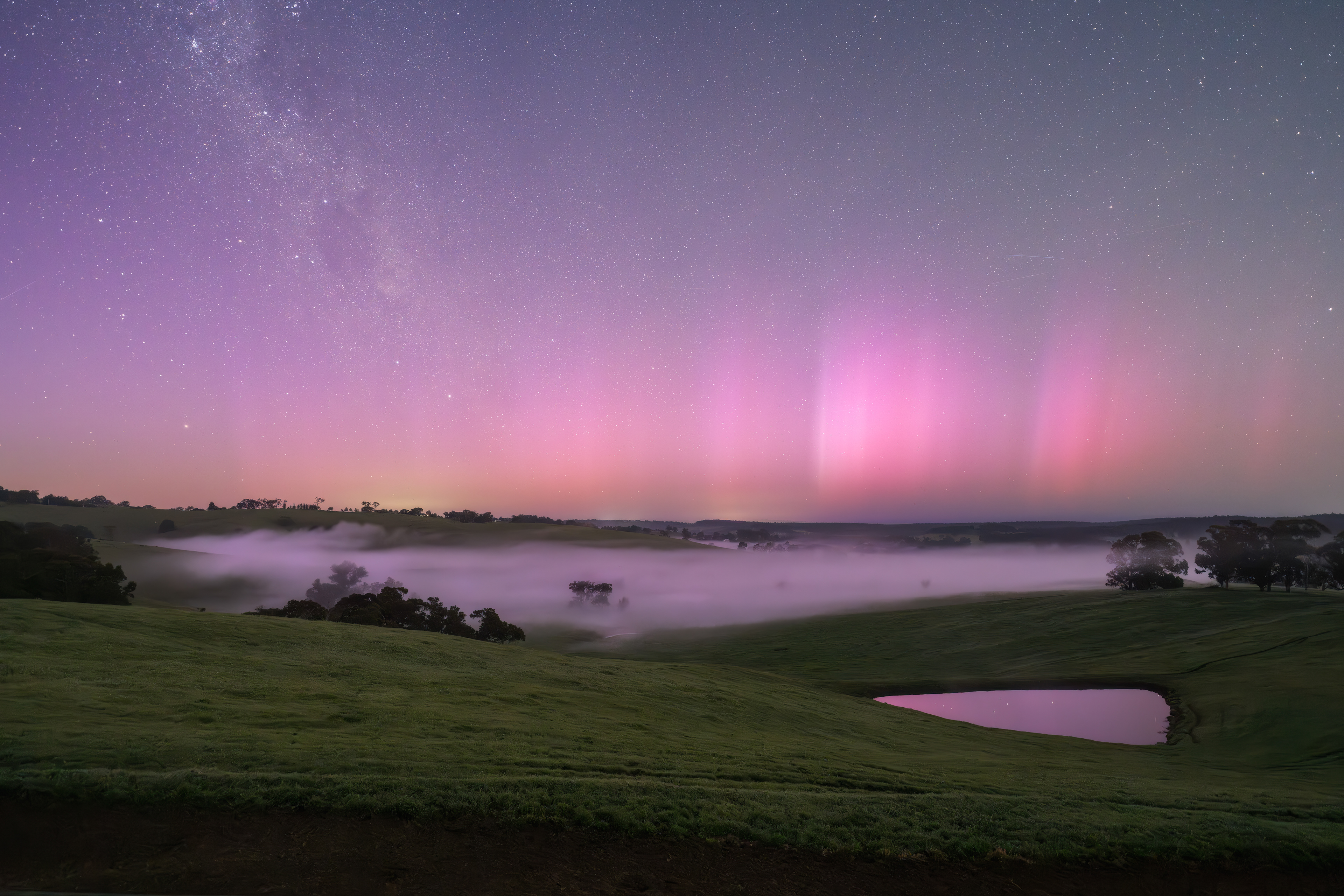
Aurora Southwest WA
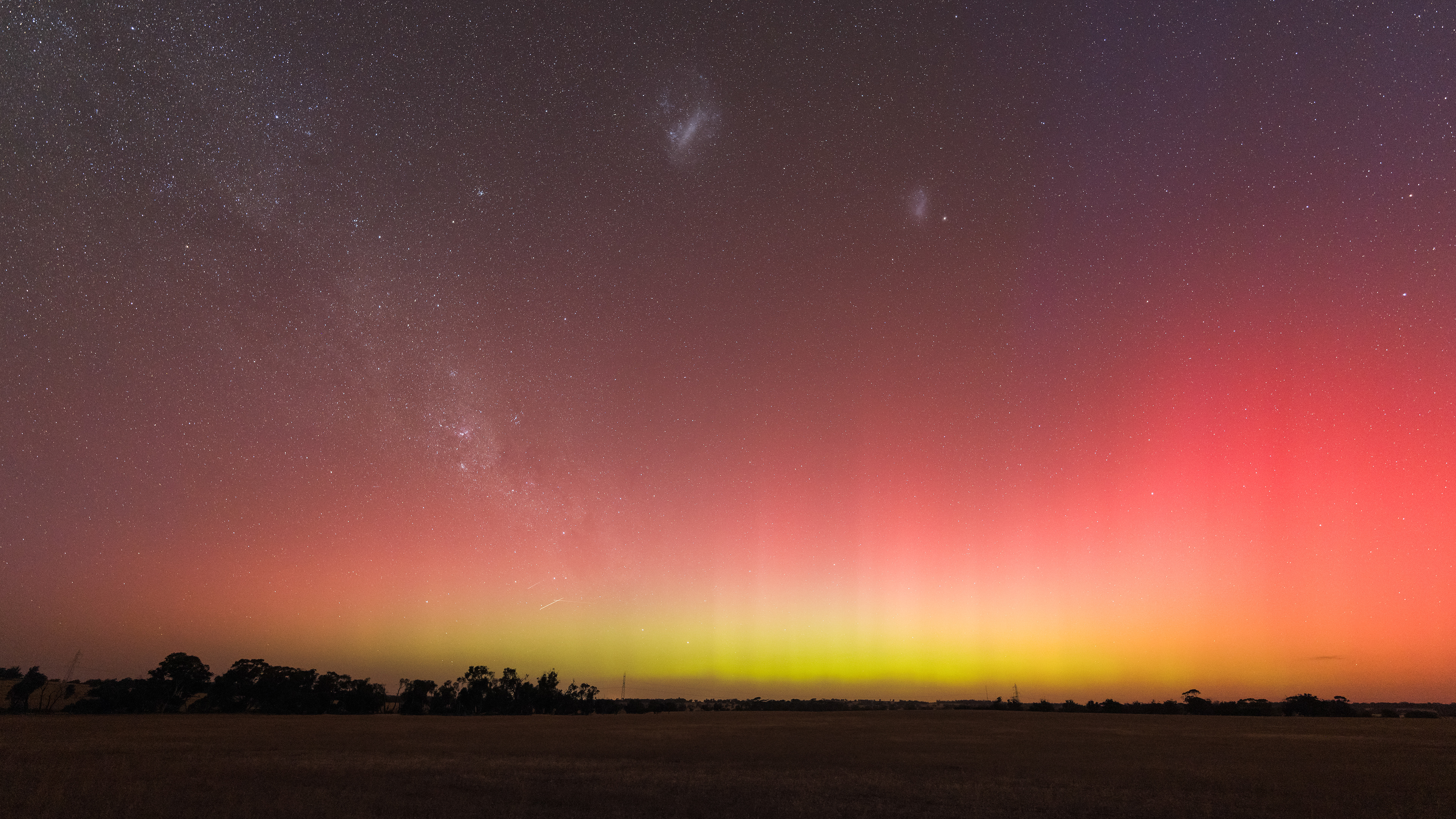
Aurora Wheatbelt WA
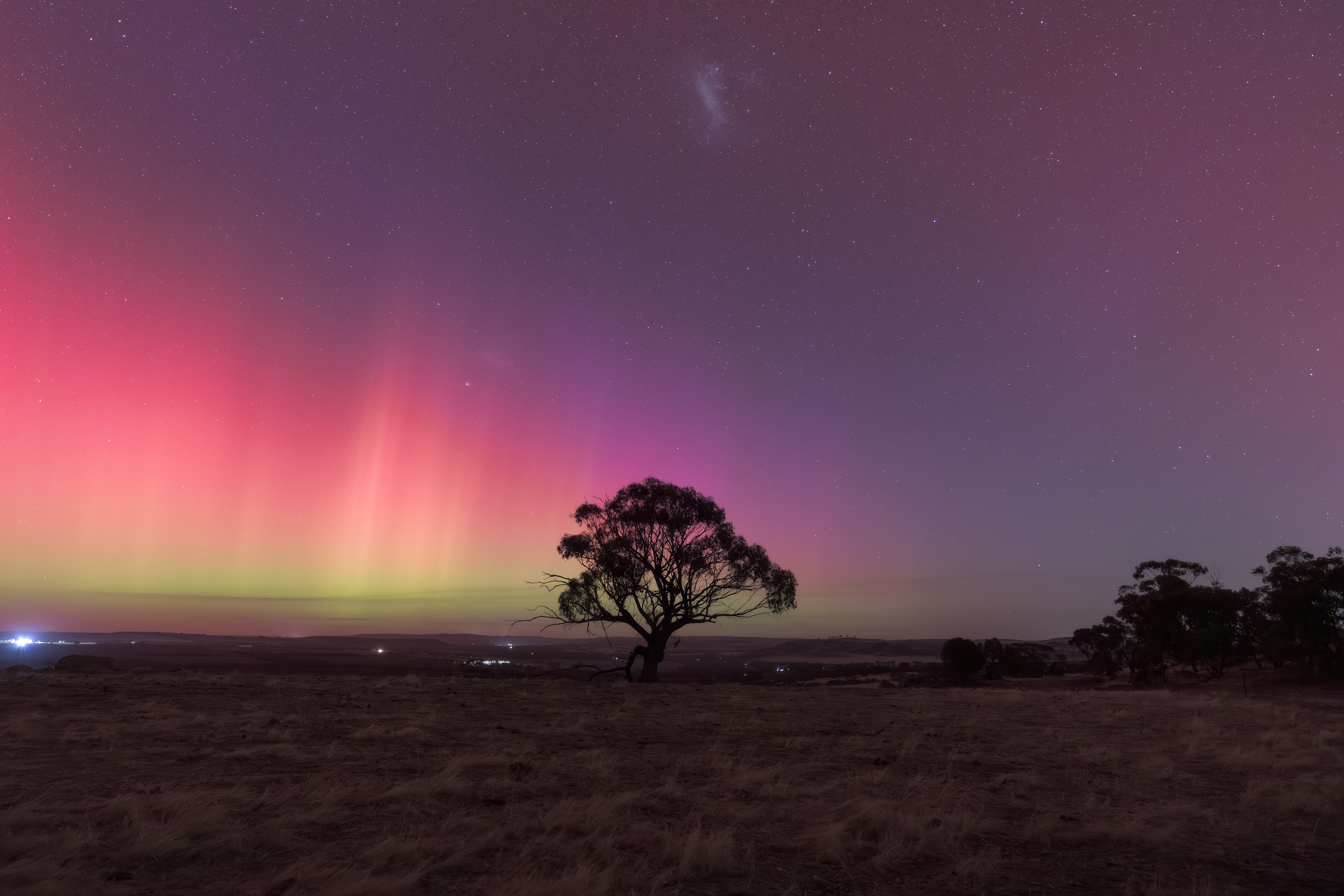
Aurora Wheatbelt WA
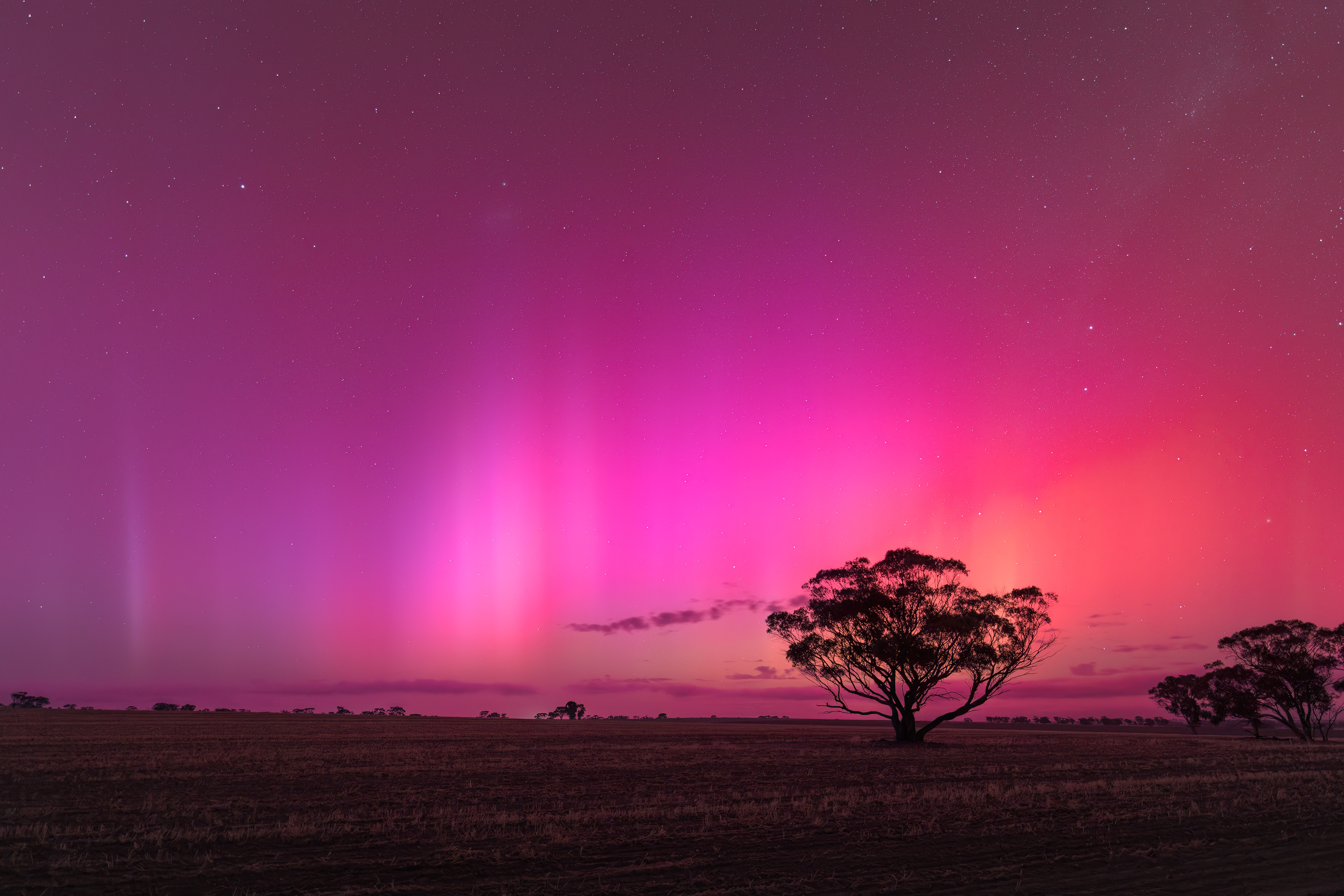
Aurora Wheatbelt WA
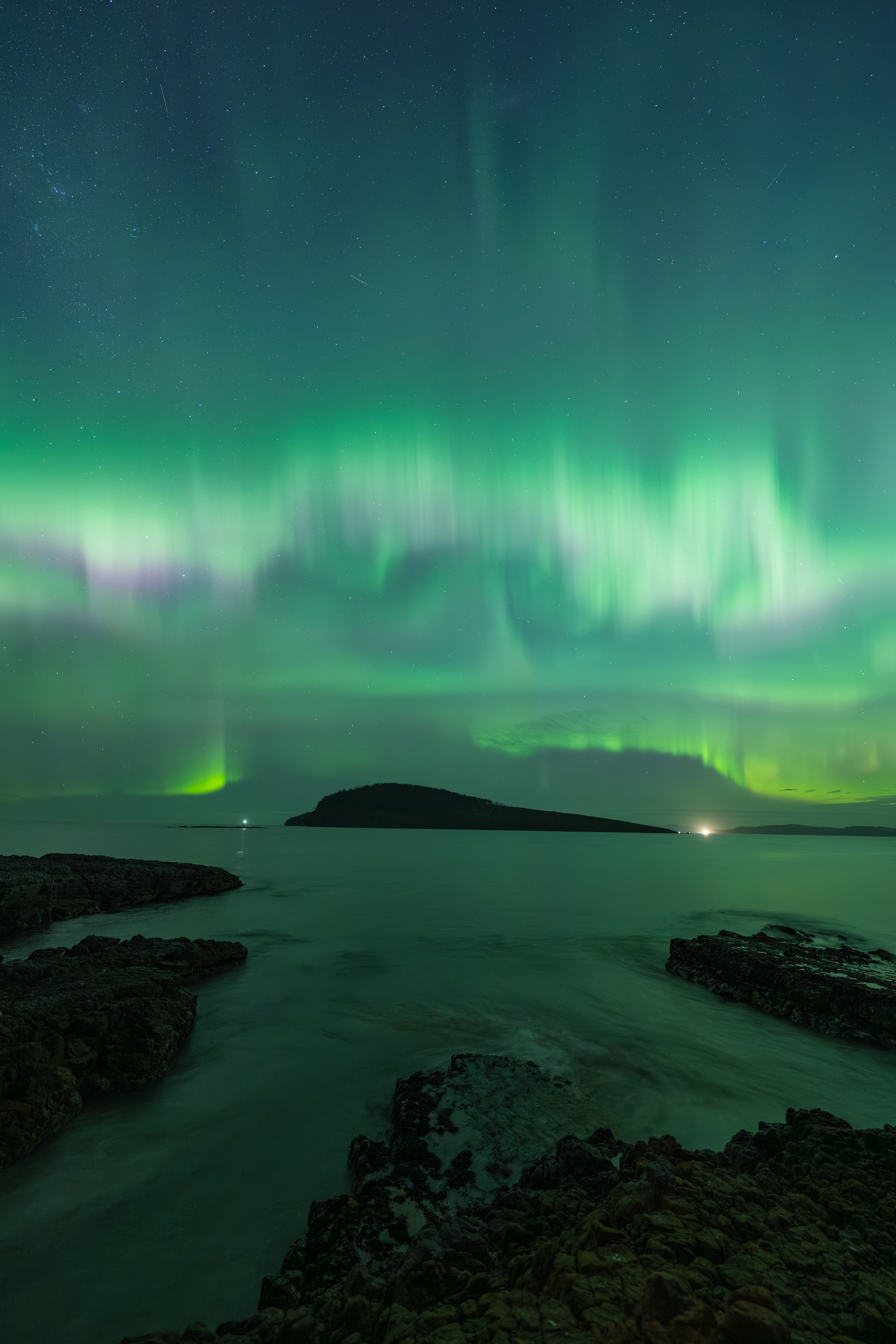
Aurora Tasmania
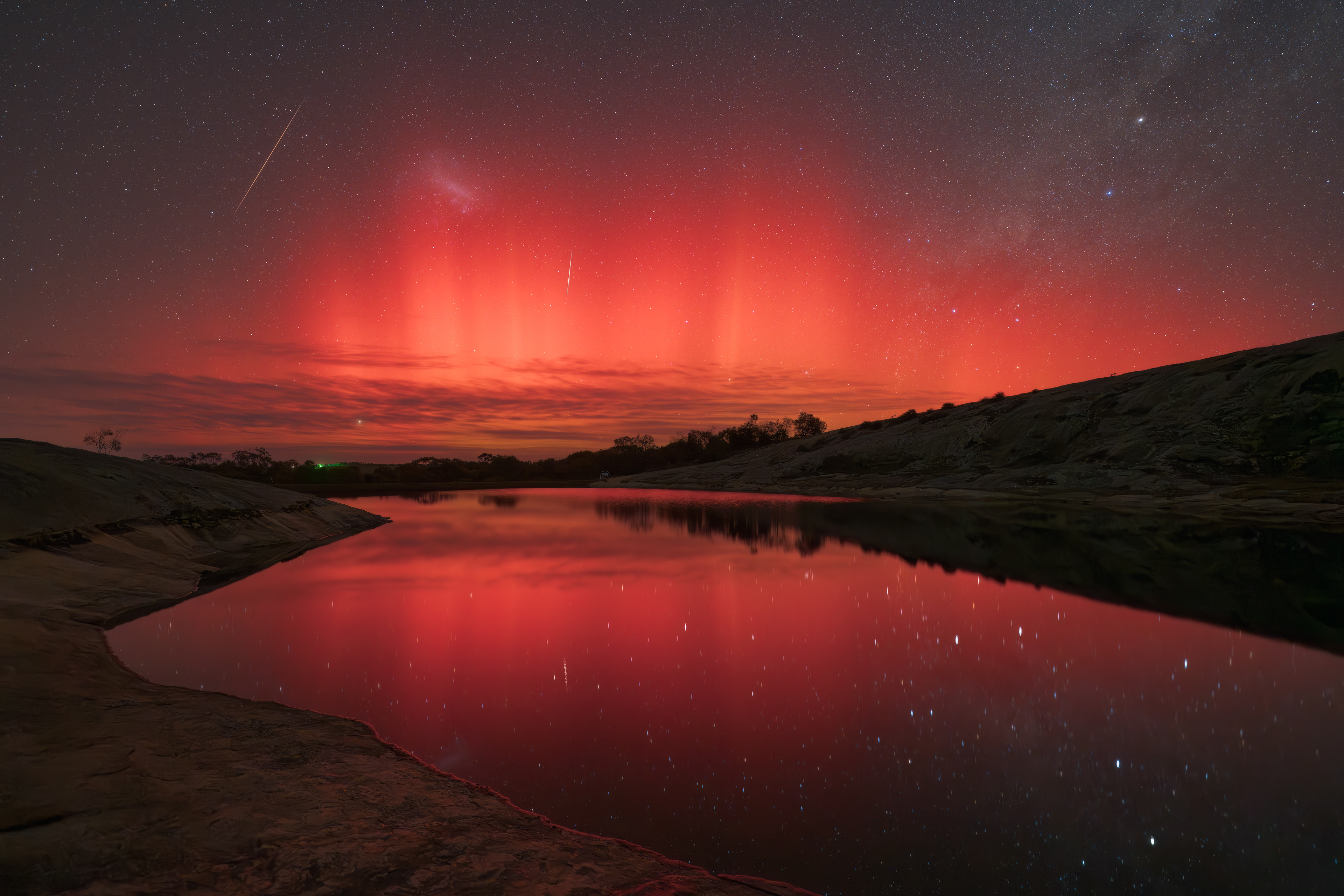
Aurora Wheatbelt WA
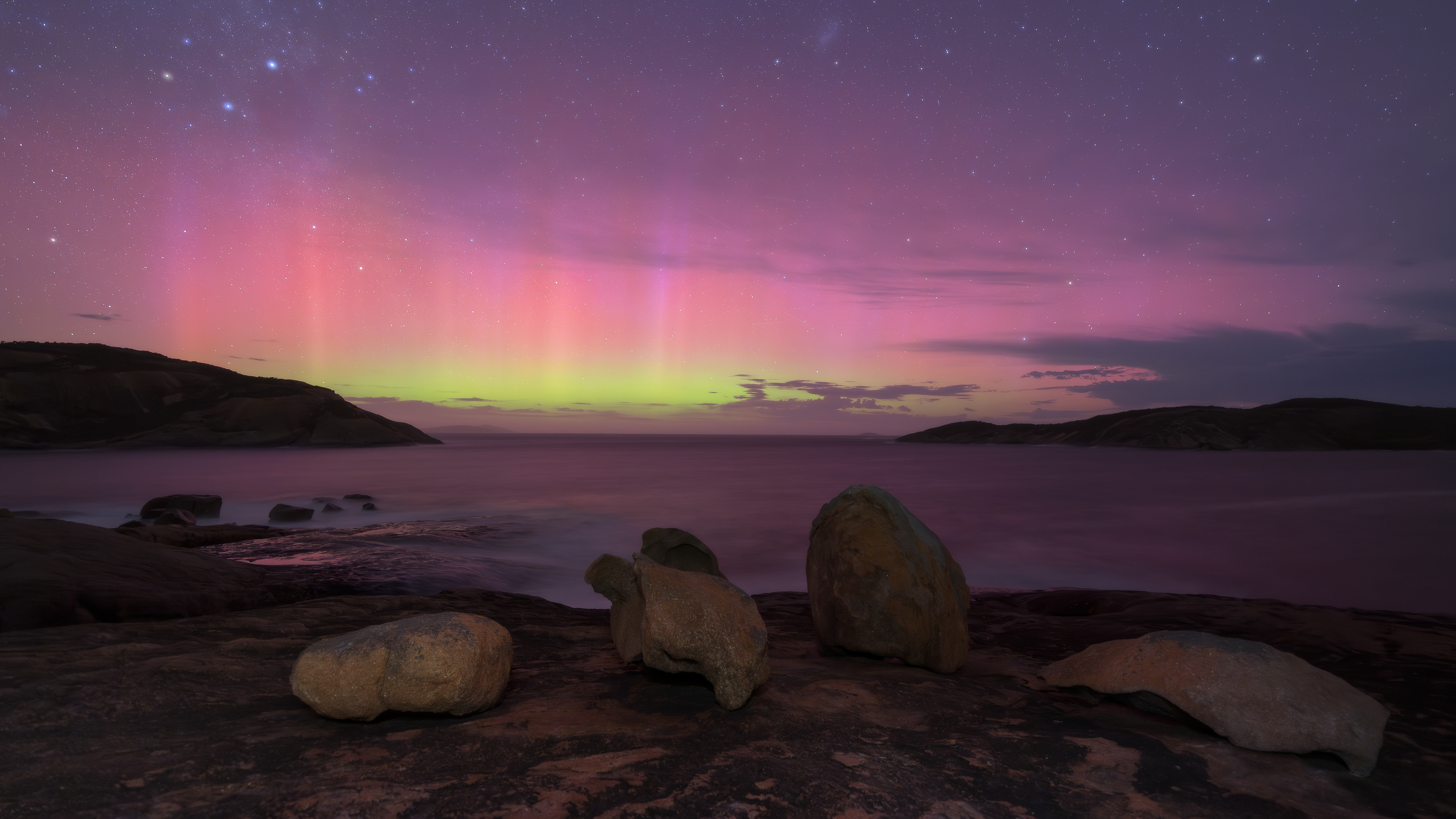
Aurora Esperance WA
You can also learn photography online whilst showing support via Patreon.